
Formulary Tiers Explained: How Drug Coverage Works and What It Means for You
When your insurance covers a prescription, it doesn’t mean you pay the same price for every drug. That’s where formulary tiers, a system used by health plans to group medications by cost and coverage. Also known as drug tiers, it’s how insurers decide which drugs are cheapest for you to get and which ones make you pay more. Think of it like a pricing ladder: Tier 1 is your go-to for generic pills, Tier 4 might be a specialty drug that costs hundreds a month. Your plan puts drugs into these tiers based on cost, effectiveness, and whether there’s a cheaper alternative.
Formulary tiers aren’t random. They’re built around real-world data—like how often a drug is prescribed, how well it works compared to others, and whether it’s been around long enough to prove safety. The pharmacy benefits manager, a company hired by insurers to manage drug lists and negotiate prices. Also known as PBM, it’s the behind-the-scenes player that decides which drugs land in which tier. If a drug is on Tier 1, it’s usually a generic that’s been used for years and costs next to nothing. Tier 2 might include brand-name drugs with generic alternatives. Tier 3? That’s often newer brand-name drugs with no cheap options. And Tier 4 or 5? Those are the high-cost drugs—like biologics for rheumatoid arthritis or cancer treatments—that require special approval and often come with strict rules.
Why does this matter to you? Because your out-of-pocket cost changes with every tier. A Tier 1 drug might cost $5. A Tier 3 could be $50. A Tier 5? Maybe $500. And if your plan doesn’t cover a drug at all? You’re stuck paying full price. But here’s the thing: you’re not powerless. You can ask your doctor if there’s a similar drug in a lower tier. You can check your plan’s formulary online before filling a script. You can even appeal if your drug gets denied. People often don’t realize their plan’s formulary changes every year—what was Tier 2 last year might be Tier 4 this year.
It’s not just about price. Some drugs require prior authorization before your insurer will pay. Others need step therapy—you have to try a cheaper drug first before they’ll cover the one your doctor prescribed. That’s why you’ll see posts here about generic switching, when insurers push patients from brand-name drugs to cheaper generics. Also known as therapeutic substitution, it’s common practice, but not always safe for everyone. Warfarin, for example, is a drug where switching generics can throw off your INR levels. Or consider inactive ingredients, the non-active parts of a pill like fillers or dyes that can affect how your body reacts. Also known as excipients, they’re not listed on the label, but they’re why some people feel different after switching generics. These aren’t just technical details—they’re real issues that affect how you feel and how much you pay.
What you’ll find below are real stories and practical guides on how to navigate this system. From how to use the FDA’s drug database to find approved alternatives, to why fatty foods can change how your meds work, to how lab monitoring calendars help catch side effects before they turn dangerous. These aren’t theoretical articles—they’re tools for people who’ve been hit with surprise bills, confusing coverage rules, or scary side effects after a switch. You’re not alone. And you don’t have to guess your way through it.
1
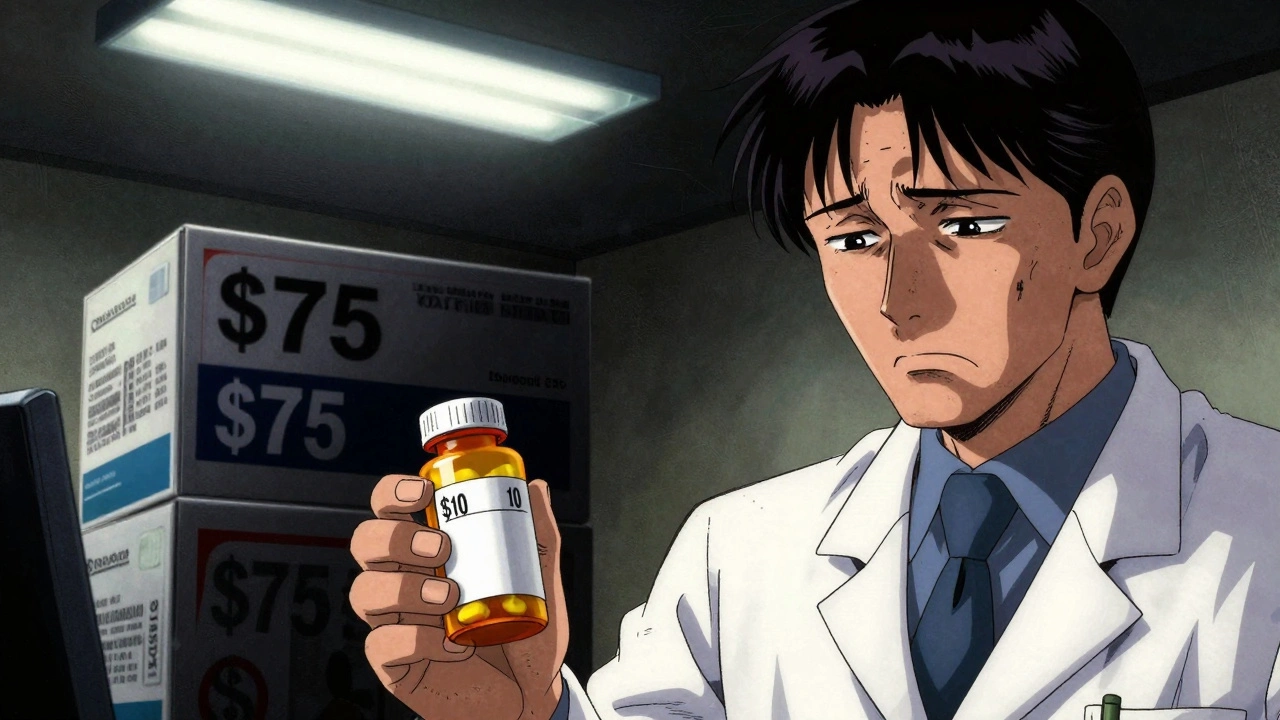
Employer Health Plans and Generic Preferences: How Formularies Control Your Prescription Costs
Employer health plans use tiered formularies to push generic drugs and control costs. Learn how PBMs control coverage, why generics are cheaper and equally effective, and what to do when your medication gets dropped from the list.