GERD Complications: What Happens When Acid Reflux Goes Unchecked
When GERD, gastroesophageal reflux disease, a chronic condition where stomach acid flows back into the esophagus. Also known as chronic acid reflux, it's more than just occasional heartburn—it's a slow-burning injury to your digestive tract. Left untreated, GERD doesn’t just cause discomfort. It damages the lining of your esophagus, changes its structure, and can lead to life-altering conditions you might not even connect to your daily indigestion.
The most common complication is esophagitis, inflammation and erosion of the esophagus caused by repeated acid exposure. This isn’t just a sore throat—it’s raw, painful tissue that can bleed, make swallowing hard, and increase cancer risk. Over time, your body tries to protect itself by replacing the normal esophageal cells with cells that look more like stomach lining. That’s Barrett’s esophagus, a precancerous condition where the cells lining the lower esophagus change due to long-term acid damage. About 1 in 10 people with long-term GERD develop it. And while most won’t progress to cancer, those who do often don’t notice symptoms until it’s advanced.
Another silent threat is esophageal stricture, a narrowing of the esophagus from scar tissue built up after repeated injury. You might start noticing food getting stuck, needing to drink more water to swallow, or avoiding certain foods altogether. It’s not just inconvenient—it can lead to malnutrition if you stop eating because it hurts. Then there’s the risk of aspiration, when stomach acid leaks into the lungs, triggering coughing, pneumonia, or chronic bronchitis. People with GERD often wake up choking or with a sore throat, not realizing it’s their stomach, not a cold, causing it.
And it’s not just the esophagus. GERD can worsen asthma, trigger chronic cough, damage teeth from acid erosion, and even cause throat lumps or hoarseness that mimics a tumor. These aren’t random side effects—they’re direct results of acid creeping where it shouldn’t. Many people assume these are separate issues, but they’re all signs the same problem is worsening.
The good news? Most of these complications don’t happen overnight. They build up over years of ignoring symptoms or treating them with over-the-counter meds that only mask the pain. The real fix isn’t more antacids—it’s understanding what’s happening inside your body and taking steps before the damage becomes permanent. That’s why knowing the warning signs matters more than you think.
Below, you’ll find real-world guides on how to recognize these complications early, what treatments actually work, and how to stop GERD from turning into something far more serious than heartburn. These aren’t theory pieces—they’re practical tools from people who’ve been there, and the doctors who helped them get back on track.
15
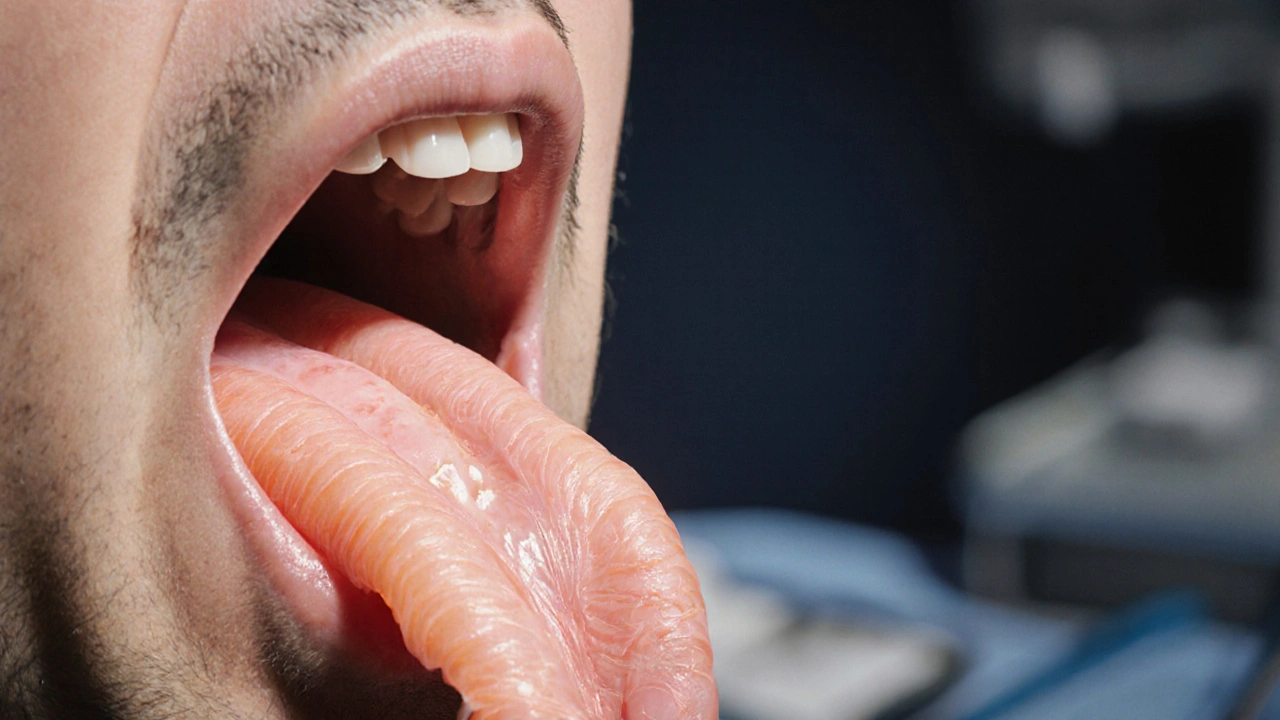
Chronic GERD Complications: Understanding Barrett’s Esophagus and When to Get Screened
Chronic GERD can lead to Barrett’s esophagus, a precancerous condition that often goes undetected. Learn who needs screening, how it’s diagnosed, and what treatments can prevent esophageal cancer.