Patient Safety: Protect Yourself from Medication Errors and Hidden Risks
When we talk about patient safety, the practice of preventing harm during medical care, especially from medications and system failures. Also known as medication safety, it's not about perfect hospitals—it's about fixing the small, silent mistakes that hurt people every day. Most of these mistakes don’t come from doctors making bad calls. They come from labels you can’t read, pills with ingredients you’re allergic to, or two OTC meds that secretly contain the same poison—like acetaminophen. These aren’t rare. They happen to millions, and you don’t need to be one of them.
Generic drugs, affordable copies of brand-name medicines approved by the FDA. Also known as bioequivalent medications, they save billions—but they’re not always identical. The active ingredient? Same. The fillers? Sometimes totally different. Lactose, gluten, dyes—these inactive ingredients, non-active substances in pills that help with manufacturing or stability. Also known as excipients, they can trigger reactions even when the drug works fine. Switching brands without checking the label is like swapping your coffee for a drink with the same caffeine but a hidden allergen. And it’s not just generics. Drug interactions, harmful effects when medications or supplements interfere with each other. Also known as medication conflicts, they’re often invisible until it’s too late. Green tea extract, St. John’s wort, even fatty meals can change how your drugs work. Warfarin users know this well—switching generics can throw off your INR. Anticholinergics can trap urine in men with enlarged prostates. These aren’t theoretical risks. They’re documented, preventable, and happening right now.
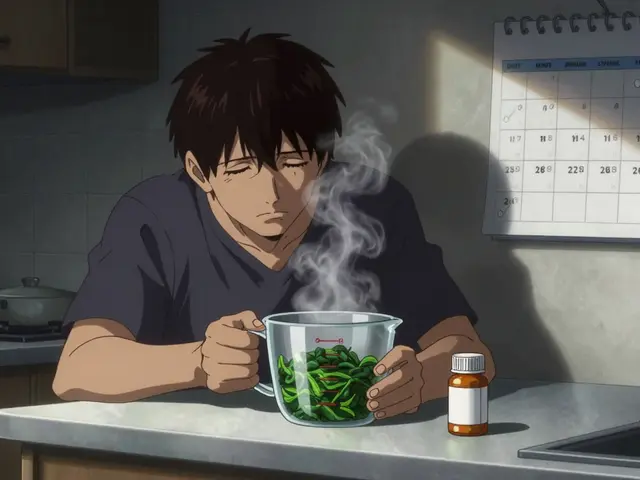
Adverse drug reactions, harmful and unintended responses to medications at normal doses. Also known as side effects, they’re the reason lab monitoring calendars exist. They’re why seniors fall, why liver damage sneaks up from double-dosing cold medicine, and why translation errors on prescriptions turn "once daily" into "eleven times a day." Patient safety isn’t about trusting your doctor. It’s about knowing what to ask, how to read a drug facts label, and when to push back. You don’t need a medical degree to spot red flags—you just need to know what to look for.
Below, you’ll find real guides that cut through the noise. From how to check FDA drug records to spotting dangerous filler ingredients, from avoiding lethal OTC combos to understanding why your generic feels different—every post here is about stopping harm before it starts. This isn’t theory. It’s what you need to know to keep yourself and your loved ones safe.
23
Dietary Supplements and Natural Products: Why Full Disclosure to Your Care Team Matters
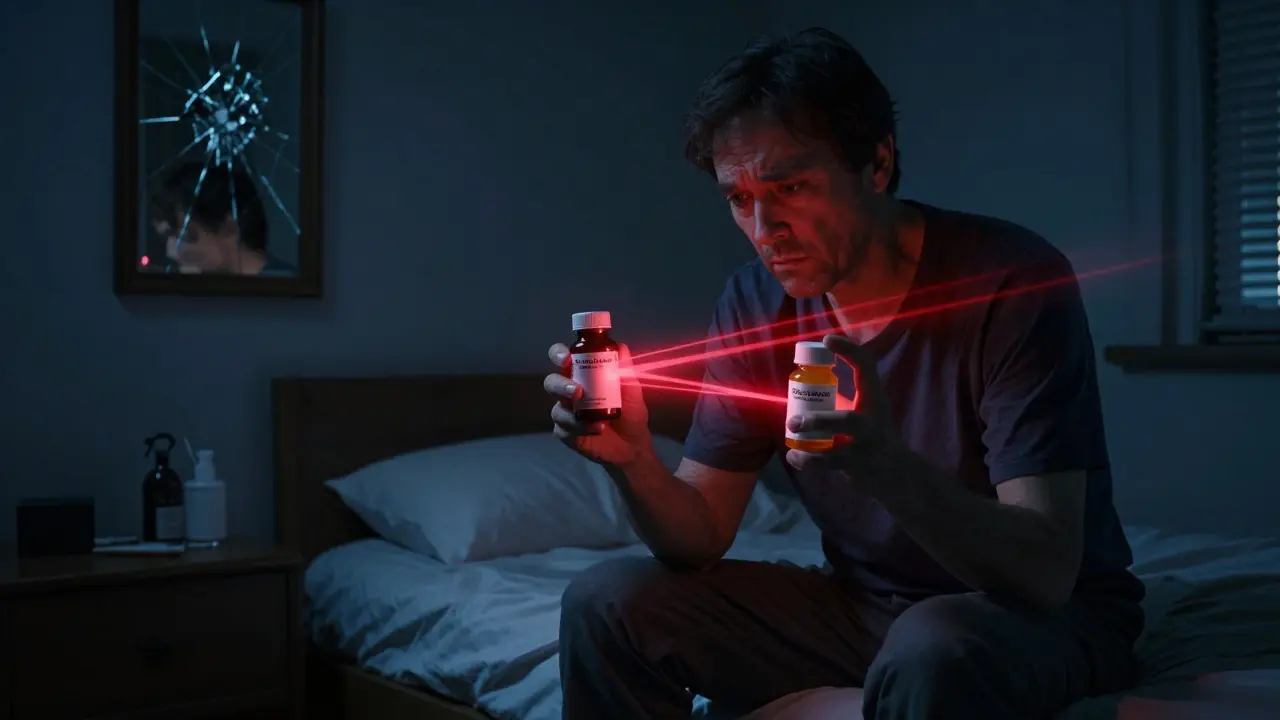
Many people take dietary supplements without telling their doctors-but this silence can lead to dangerous interactions with medications. Learn why full disclosure is critical for your safety and how to talk to your care team about what you're really taking.
8
How to Report a Medication Safety Concern to Your Clinic
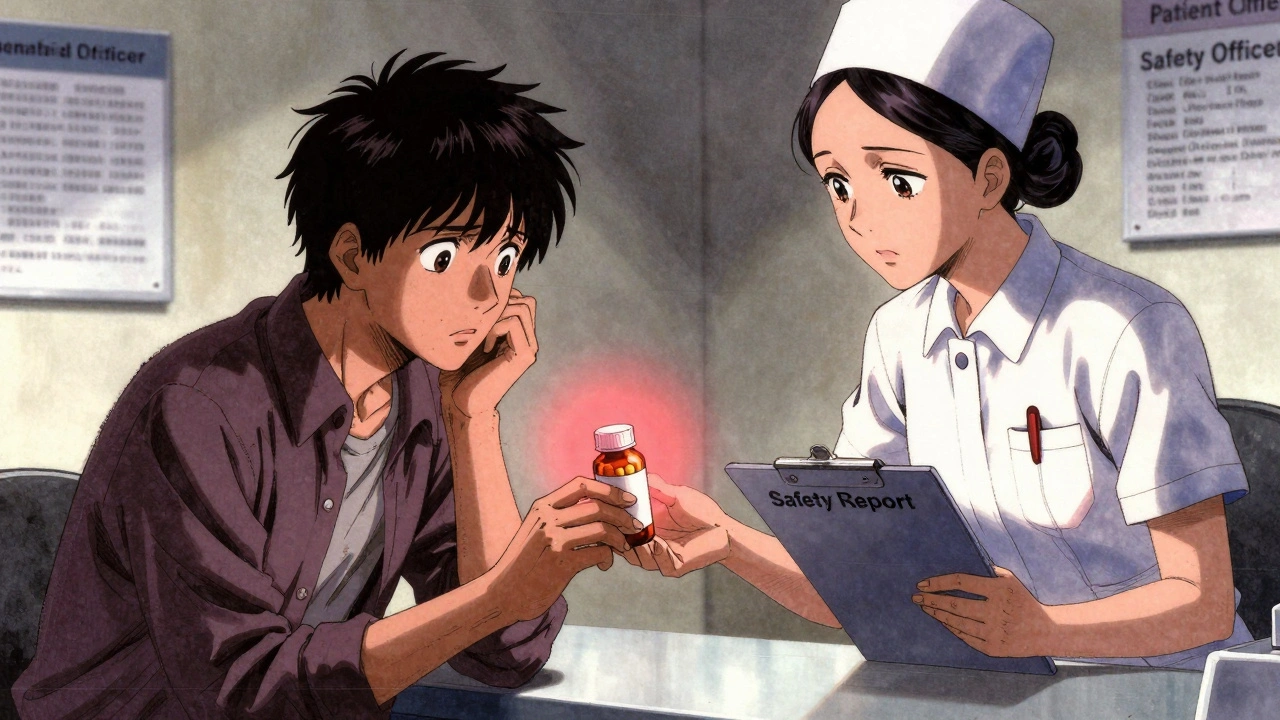
Learn how to report a medication safety concern to your clinic quickly and effectively. Know what counts as a concern, how to report it, and what happens next-without fear of backlash.