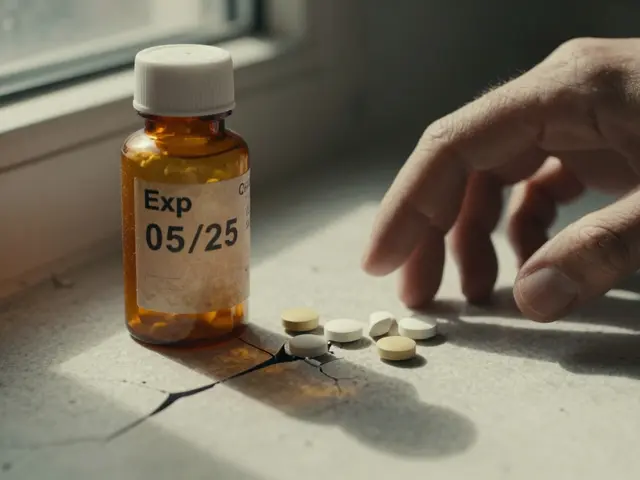
Pharmaceutical Quality Control: Ensuring Safe, Effective Medications
When you take a pill, you trust it will work the way it should—no more, no less. That trust isn’t accidental. It’s the result of pharmaceutical quality control, a system of checks and standards that ensures every drug meets strict safety, potency, and consistency requirements before it reaches patients. Also known as drug manufacturing compliance, this process touches every stage—from raw ingredients to the final tablet in your bottle. Without it, a generic version of your blood pressure pill could contain too little active drug—or too much. It could have a harmful contaminant. Or worse, it might not dissolve properly in your stomach, making it useless.
That’s why inactive ingredients, the fillers, dyes, and binders in a pill that don’t treat your condition but affect how it’s absorbed matter just as much as the medicine itself. Two pills with the same active ingredient can feel completely different if one uses a different coating or filler. This is why people report side effects after switching to a generic. The FDA doesn’t require generics to match brand-name inactive ingredients exactly, but they must still meet quality standards. That’s where FDA review, the process that evaluates whether a drug is safe, effective, and manufactured under controlled conditions comes in. A priority review doesn’t just speed up approval—it means the agency has flagged the drug as critical for public health, whether it’s filling a shortage or offering a better safety profile.
And it’s not just about pills. Quality control extends to how drugs are stored, shipped, and even disposed of. If a medication gets too hot during transport, it can break down. If needles aren’t handled right, they become public health hazards. That’s why lab monitoring calendars, tools that track blood tests to catch hidden side effects before they turn dangerous exist—because even a perfectly made drug can interact badly with your body over time. The same systems that ensure your antibiotic isn’t contaminated also help doctors know when to check your liver enzymes on long-term meds like allopurinol or chlorambucil.
What you’ll find below isn’t just a list of articles. It’s a map of how quality control touches your life—from the aspirin you take for headaches to the insulin you rely on daily. You’ll see how food affects absorption, why some generics feel off, how the FDA prioritizes approvals, and what hidden risks come with common meds. Every post here connects back to one truth: your health depends on more than just a prescription. It depends on the invisible systems that make sure what’s in that bottle is exactly what it says it is.
23
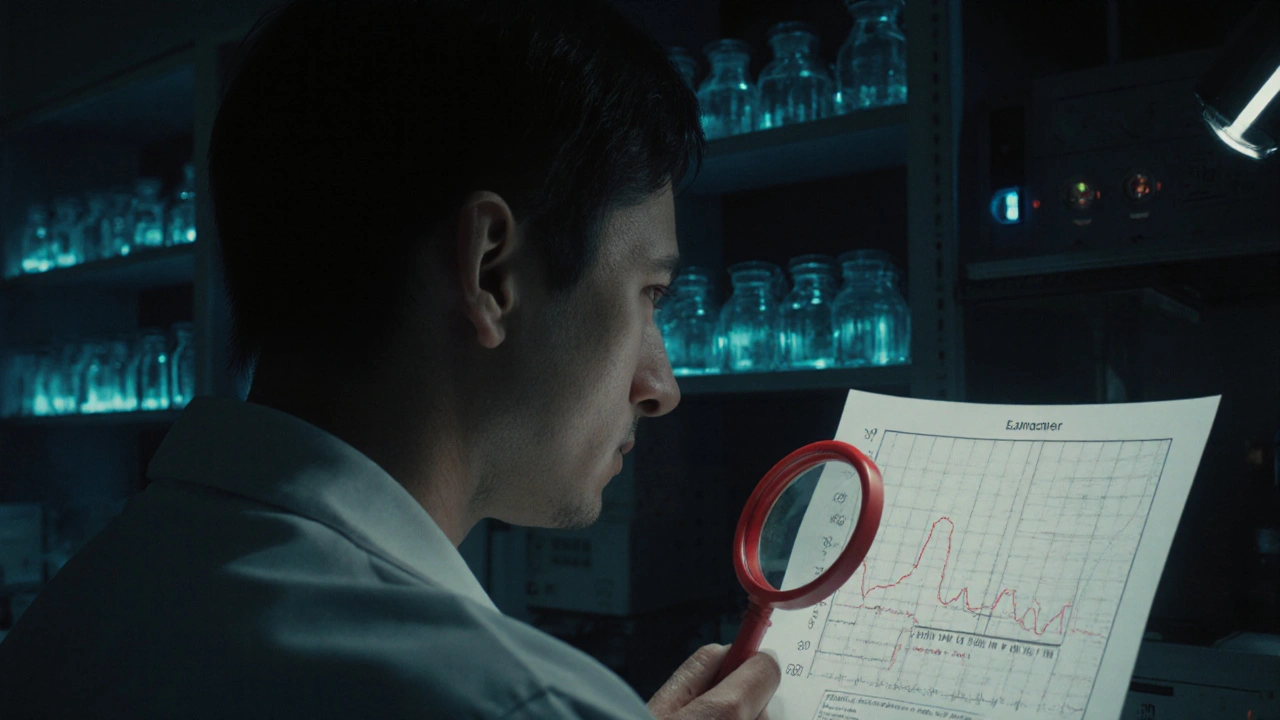
Batch Release Testing: Final Checks Before Pharmaceutical Distribution
Batch release testing is the final quality check that ensures every pharmaceutical batch meets safety and potency standards before reaching patients. Learn how it works, why it's mandatory, and what's changing in 2025.