
Pharmacovigilance Apps: Tools for Safer Medication Monitoring
When you take a new medication, you’re trusting that it’s been tested for safety—but what happens after it’s on the market? That’s where pharmacovigilance apps, digital tools designed to collect, analyze, and report adverse drug reactions in real time. These apps turn patient reports and clinician observations into actionable safety data, helping regulators and manufacturers spot problems before they become widespread. They’re not just for doctors; patients, pharmacists, and even caregivers use them to flag unusual side effects, from rashes to heart rhythm changes, directly to health authorities.
These apps don’t work in a vacuum. They connect to systems like the FDA’s MedWatch, the U.S. government’s official platform for reporting drug side effects, and link to databases like Drugs@FDA, the public archive of drug approval records and labeling details. If a new generic version of a blood thinner causes unexpected bleeding in multiple users, a pharmacovigilance app can quickly surface that pattern. That’s how the FDA learns about risks that clinical trials missed—because real people in real life are using the drug differently than in controlled studies.
Some apps even integrate with electronic health records to auto-flag interactions. For example, if someone on warfarin starts taking a new supplement, the app might alert their provider based on known risks like those seen with St. John’s wort, a common supplement that reduces warfarin’s effectiveness. Other tools help track lab trends—like INR levels for anticoagulants or liver enzymes for statins—using simple daily logs that sync with pharmacy records. This isn’t science fiction; it’s happening now, thanks to apps built by hospitals, pharmacies, and even patient advocacy groups.
What you’ll find in the posts below are real stories and practical guides about how drugs behave after approval. You’ll learn why switching generics can change how you feel, how fatty meals affect absorption, and why certain medications increase fall risk in seniors. These aren’t abstract theories—they’re the kind of issues pharmacovigilance apps were built to catch. Whether you’re managing a chronic condition, caring for an elderly parent, or just want to know what’s really in your medicine cabinet, this collection gives you the tools to ask better questions and spot hidden risks before they become emergencies.
3
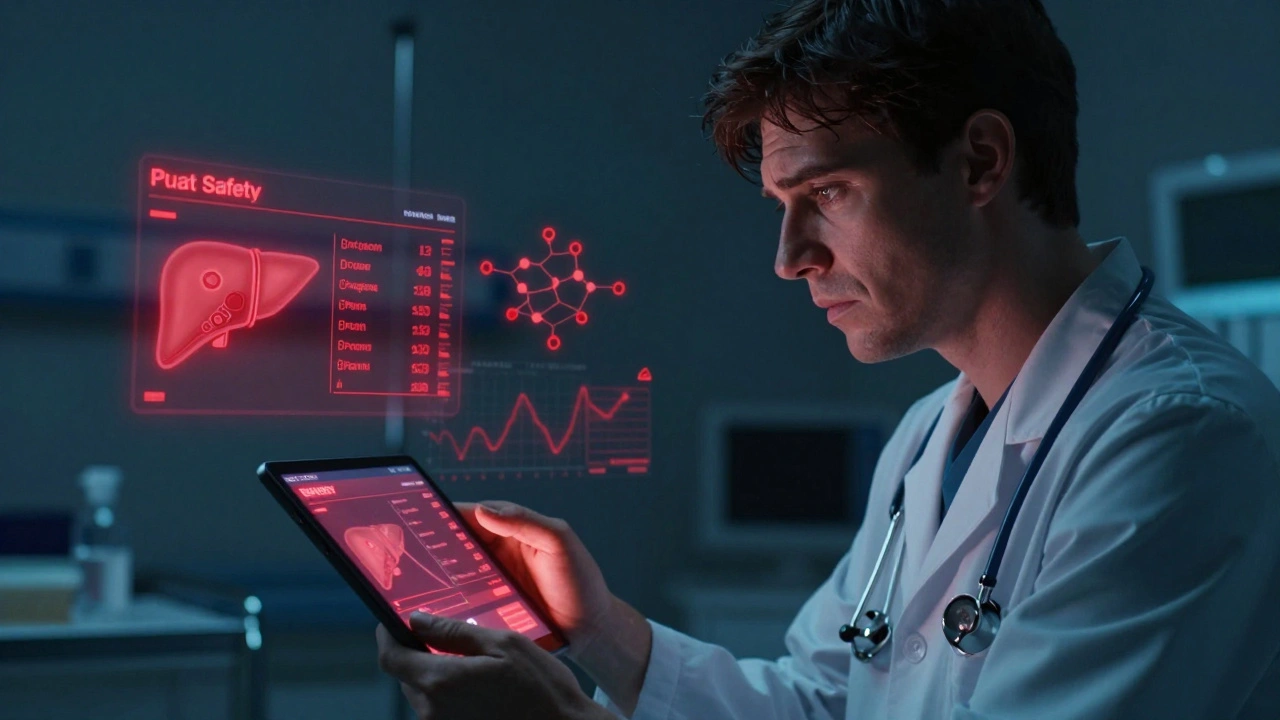
How to Use Clinician Portals and Apps for Drug Safety Monitoring
Learn how clinician portals and apps help healthcare professionals detect and report adverse drug reactions in real time, improving patient safety through integrated EHR tools, AI alerts, and streamlined reporting systems.