Prescription Coverage: What You Need to Know About Drug Costs and Insurance
When you fill a prescription, prescription coverage, the portion of your medication cost paid by insurance. Also known as drug insurance, it’s what stands between you and a $500 bill for a month’s supply of blood pressure pills. Without it, even common drugs can break the bank. But coverage isn’t just about whether your plan pays—it’s about how much, when, and under what rules.
Not all drugs are treated the same. generic drugs, lower-cost versions of brand-name medicines approved by the FDA. Also known as generic medication, they make up over 90% of prescriptions in the U.S. and are often the first tier in insurance formularies. That means lower copays. But even generics can be denied if your plan doesn’t list them, or if your doctor didn’t check prior authorization rules. And sometimes, switching from brand to generic triggers unexpected side effects—not because the drug is different, but because of inactive ingredients. That’s why Medicare Part D, the federal prescription drug program for seniors and disabled people. Also known as Medicare drug coverage, it has its own complex tiers, deductibles, and coverage gaps known as the donut hole. Millions of people hit that gap every year and end up paying full price until they reach catastrophic coverage.
Insurance companies don’t just decide what’s covered—they control which pharmacies you can use, how many pills you get per refill, and whether you need to try cheaper options first. That’s called step therapy. If your doctor prescribes a brand-name drug but your plan requires you to try the generic first, you might get stuck waiting weeks for approval. Meanwhile, your condition worsens. Some plans even block entire classes of drugs, like certain antidepressants or diabetes meds, unless you prove you’ve tried others first. It’s not about safety—it’s about cost. And if you’re on multiple medications, like warfarin or isosorbide mononitrate, coverage changes can mess with your dosing, your INR levels, or your heart rhythm. That’s why drug cost transparency, the ability to see what a medication will actually cost before you fill it. Also known as out-of-pocket drug pricing, is a critical tool no one talks about enough.
You don’t have to accept whatever your plan says. You can appeal denials, ask for formulary exceptions, switch plans during open enrollment, or use patient assistance programs from drugmakers. The FDA’s Drugs@FDA database lets you confirm if a generic is truly equivalent. And tools like lab monitoring calendars help you catch side effects early—before you’re stuck paying for emergency care. Prescription coverage isn’t just paperwork. It’s your shield against medical debt. But only if you know how to use it.
Below, you’ll find real guides on how to navigate these systems—how to check if your drug is covered, why generics sometimes feel different, how Medicare Part D works in practice, and what to do when your insurance denies your medication. No fluff. Just what works.
1
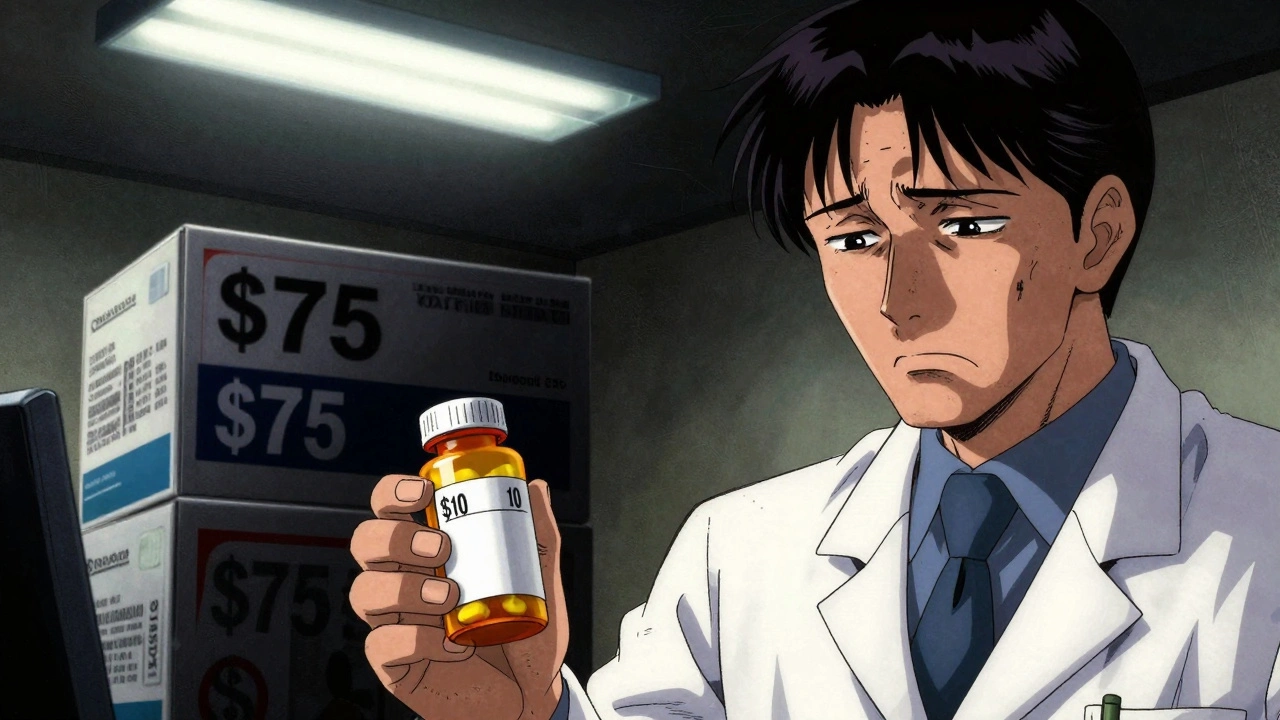
Employer Health Plans and Generic Preferences: How Formularies Control Your Prescription Costs
Employer health plans use tiered formularies to push generic drugs and control costs. Learn how PBMs control coverage, why generics are cheaper and equally effective, and what to do when your medication gets dropped from the list.