Quercetin: Benefits, Uses, and Safety
When you hear about quercetin, a plant‑based flavonoid found in many fruits and vegetables, also called dietary flavonol, you might wonder why it shows up in supplement aisles and health blogs. In simple terms, quercetin is a natural antioxidant that helps protect cells from oxidative stress. It belongs to the larger family of flavonoids, a group of plant compounds known for anti‑inflammatory and immune‑supporting effects. Because it can neutralize free radicals, quercetin often gets linked to heart health, allergy relief, and better exercise recovery.
One of the first questions people ask is how to get enough quercetin from food. Common sources include apples, onions, berries, and leafy greens – basically the same foods you see in a balanced diet. If you track your meals, you’ll notice that a medium onion can deliver roughly 30 mg of quercetin, while a cup of berries offers about 10–15 mg. For many, diet alone provides a modest amount, which is why supplements, often in capsule or powder form, become popular. These products usually combine quercetin with other bio‑enhancers like bromelain or vitamin C to improve absorption, since quercetin on its own has relatively low bioavailability.
How Quercetin Works and What It Affects
Understanding quercetin’s actions helps you decide if it fits your health goals. First, quercetin’s antioxidant property reduces oxidative damage in blood vessels, which can support cardiovascular health. Second, it modulates inflammatory pathways by inhibiting enzymes like COX‑2, making it useful for people dealing with seasonal allergies or mild joint aches. Third, quercetin interacts with the immune system, enhancing the activity of certain white‑blood cells – a reason athletes sometimes take it to aid recovery after intense workouts. Finally, preliminary research suggests quercetin may influence blood sugar regulation by affecting glucose transporters, though more studies are needed before making firm claims.
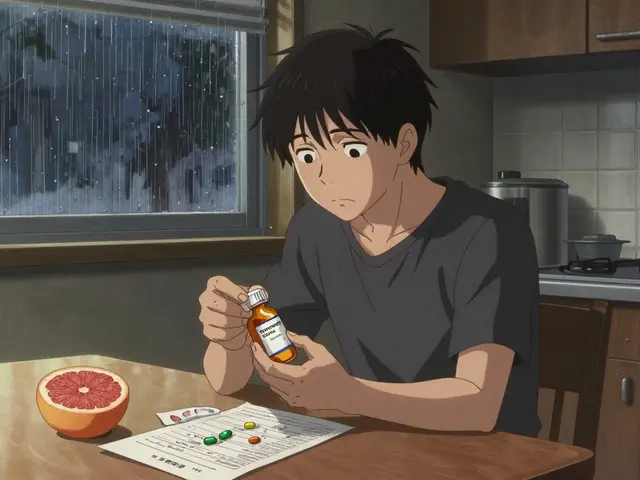
While the benefits sound promising, it’s important to note a few safety considerations. Most healthy adults tolerate daily doses of 500–1000 mg without side effects, but higher amounts can cause stomach upset or interact with medications like blood thinners. If you’re on prescription drugs, especially anticoagulants or antibiotics, talk to a healthcare professional before adding a quercetin supplement. Pregnant or nursing individuals should also seek medical advice, as research on high‑dose quercetin during pregnancy is limited.
Beyond health, quercetin’s role in everyday life shows up in practical ways. For example, many people use quercetin alongside vitamin C during allergy season because the two compounds work synergistically to calm histamine release. Athletes might time a quercetin dose before training to potentially improve endurance; studies have shown a modest boost in VO₂ max for some participants. And those looking to support skin health often combine quercetin with topical antioxidants, taking advantage of its anti‑inflammatory actions to reduce redness and irritation.
So what does all this mean for you? Below you’ll find a collection of articles that dive deeper into specific medications, supplements, and health conditions where quercetin’s properties intersect. Whether you’re curious about drug interactions, want a side‑by‑side comparison of similar compounds, or need practical tips for safe supplementation, the posts below give clear, actionable guidance. Use this curated list as a roadmap to decide if quercetin fits into your routine and to learn how to pair it with other treatments for optimal results.
21
How Onion Extract Boosts Immunity and Fights Infections
Explore how onion extract strengthens the immune system, the key compounds involved, scientific evidence, safe dosing, and practical ways to use it.