Safe Disposal: How to Properly Get Rid of Medications and Avoid Harm
When you toss old pills in the trash or flush them down the toilet, you’re not just cleaning out your medicine cabinet—you’re putting safe disposal, the correct and responsible way to discard unused or expired medications to protect public health and the environment. Also known as pharmaceutical waste management, it’s a simple step that stops drugs from ending up in drinking water, harming wildlife, or falling into the wrong hands. This isn’t just about following rules. It’s about stopping poison from leaking into the soil, rivers, and even your tap water.
Every year, millions of unused pills end up in landfills or sewage systems. Antibiotics, painkillers, antidepressants—they don’t vanish when you throw them away. They seep into groundwater. Fish show signs of hormonal disruption. Kids find old prescriptions in unattended medicine cabinets. medication disposal, the process of safely removing expired, unwanted, or no longer needed drugs from home use isn’t optional. It’s a basic safety habit, like locking your doors or checking smoke alarms. And it’s not hard. Many pharmacies, hospitals, and police stations run drop-off programs. Some areas even have mail-back envelopes you can use for free. You don’t need a doctor’s note. You don’t need to wait for a special day. Just find the nearest drop box.
There’s a big difference between drug waste, unused pharmaceuticals that are no longer needed and pose a risk if improperly handled and regular trash. A single pill of oxycodone or fentanyl can kill someone who wasn’t prescribed it. Children, pets, and even curious teens have ended up in emergency rooms because someone didn’t dispose of pills properly. Even over-the-counter meds like ibuprofen or antihistamines can be dangerous if misused. And if you’re using pharmaceutical waste, any medication that has been discarded and requires special handling due to its chemical nature or potential for harm as an excuse to hoard old prescriptions, you’re putting yourself and others at risk. The CDC and FDA both say: don’t flush unless the label says to. Don’t crush pills and mix them with coffee grounds unless you’re using a take-back program. And never leave them in a drawer where someone else can find them.
What you do with your old meds matters more than you think. It connects to everything from clean water to overdose prevention to protecting the environment. The posts below show real cases where improper disposal led to health risks—from kids getting into grandma’s painkillers to antibiotics polluting lakes and creating drug-resistant bacteria. You’ll find guides on where to drop off pills, how to destroy them at home if no drop-off is nearby, and what to do with sharps, inhalers, or liquid meds. No fluff. No jargon. Just what works.
14
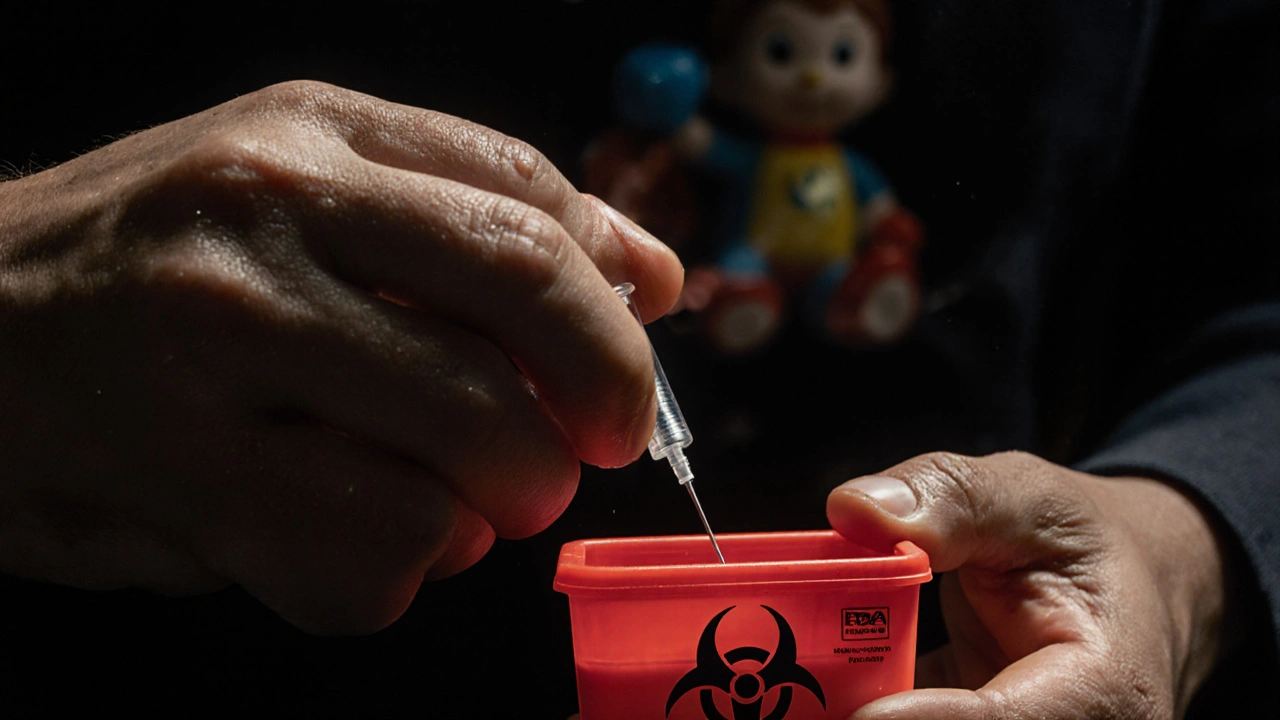
How to Dispose of Sharps and Needles from Injected Medications Safely
Learn how to safely dispose of needles and sharps from injected medications to prevent injuries and infections. Find out what containers to use, where to drop them off, and what happens if you don’t.