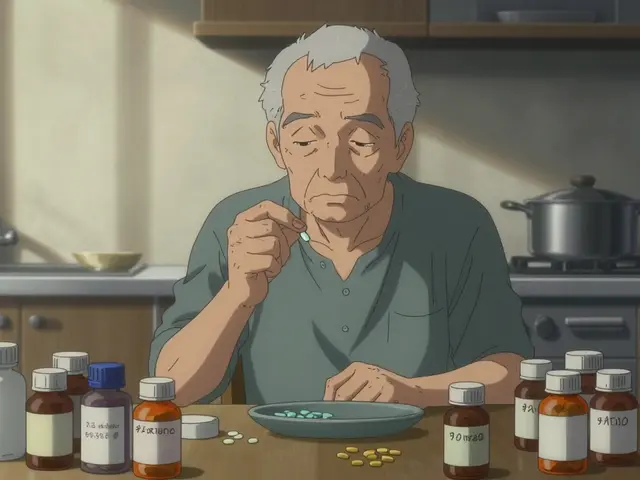
Safety in Medications: What You Need to Know About Risks, Monitoring, and Protection
When it comes to safety, the system of practices, checks, and awareness that prevents harm from medications. Also known as medication safety, it's not just about reading labels—it’s about understanding how your drugs behave in your body, who’s monitoring them, and what hidden risks you might not even know exist.
Drug safety monitoring, the ongoing process of tracking adverse reactions and drug interactions in real time. Also known as pharmacovigilance, it’s what keeps clinicians alert when a new side effect shows up in hundreds of patients. Tools like clinician portals and AI-powered alerts don’t just report problems—they help stop them before they hurt someone. And when you switch from a brand drug to a generic, safety doesn’t disappear. It just changes form. Some people notice differences because of inactive ingredients, not the active drug. That’s why generic switching, the practice of substituting brand-name drugs with lower-cost generic versions. Also known as therapeutic substitution, it’s a cost-saving move that can backfire if your body reacts to fillers, dyes, or binders you’ve never had before.
Then there’s pharmaceutical quality control, the final, mandatory checks every drug batch passes before it reaches pharmacies. Also known as batch release testing, this is the last line of defense. No batch gets shipped unless it meets exact potency, purity, and sterility standards. But even perfect drugs can be dangerous if used wrong. Intra-articular steroid injections might ease joint pain—but they can also wreck cartilage or spike blood sugar. Green tea extract sounds healthy, but it can block your blood pressure meds. Warfarin, a blood thinner with a narrow safety window, doesn’t play nice with changes in generics or supplements like St. John’s wort. These aren’t edge cases. They’re everyday risks that show up in lab monitoring calendars, FDA drug databases, and patient reports.
Safety isn’t a one-time checkbox. It’s a habit. It’s knowing which drugs make seniors more likely to fall. It’s asking if your GERD could be turning into Barrett’s esophagus. It’s checking if your dialysis schedule fits your life, or if your sharps container is actually safe. It’s understanding that a pill that works for someone else might not work the same for you—not because it’s broken, but because your body is different. The posts below cover these real-world moments: the moment a generic feels off, the moment a supplement messes with your heart meds, the moment a lab result tells you something’s wrong before you even feel it. You won’t find fluff here. Just the facts you need to stay safe, ask the right questions, and spot when something doesn’t add up.
1
Are generic drugs as safe as brands? Clinical evidence says yes - mostly
Generic drugs are just as safe and effective as brand-name drugs for most people, backed by decades of clinical data. Learn when they're identical, when to be cautious, and how to protect your health when switching.