Sharps Disposal: Safe Ways to Handle Needles and Medical Waste
When you or a loved one uses needles, syringes, or other sharps disposal, the safe handling and disposal of medical devices with sharp edges or points that can puncture skin. Also known as medical sharps, it isn’t just about throwing something away—it’s about preventing injuries, infections, and accidental exposure to bloodborne pathogens. Every year, thousands of people—health workers, family caregivers, and even trash collectors—get stuck by improperly discarded needles. It’s not a rare problem. It’s a preventable one.
Proper sharps container, a puncture-resistant, leak-proof container designed specifically for holding used needles and other sharp medical items. Also known as needle disposal container, it is the first line of defense. These aren’t just any plastic bottles. They’re FDA-cleared, labeled, and built to keep needles from poking through. You can buy them at pharmacies, medical supply stores, or get them free through some insurance programs. Don’t use soda bottles, coffee cans, or cardboard boxes—they break, leak, or get cut open. And never, ever recap needles. That’s how most injuries happen.
biohazard waste, any material contaminated with blood or bodily fluids that poses a risk of infection. Also known as infectious medical waste, it includes more than just needles. Think lancets, IV catheters, auto-injectors, and even gauze soaked in blood. These items need special handling. You can’t toss them in the regular trash, even if they’re covered. Most states have rules about where and how you drop them off—pharmacies, hospitals, police stations, or designated collection sites. Some areas even offer mail-back programs. Check your local health department website. Ignoring these rules doesn’t just put you at risk—it’s often illegal.
People often think sharps disposal is only for diabetics or hospital staff. But it’s also for anyone using insulin pens, epinephrine auto-injectors, testosterone injections, or even at-home IV therapy. Caregivers helping elderly parents or kids with chronic conditions are just as at risk. And if you’re using sharps for any reason, you’re responsible for how they’re thrown away. No one else will clean up after you.
There’s no excuse for cutting corners. A single needle stick can expose you to hepatitis B, hepatitis C, or HIV. The odds might be low, but the consequences aren’t. That’s why the rules exist. And why the right container matters more than you think. It’s not about being perfect—it’s about being smart. Use the right container. Seal it when full. Drop it off where it’s allowed. Done right, this isn’t a chore. It’s a simple habit that keeps everyone safer.
Below, you’ll find real-world guides on managing medical waste, avoiding dangerous mistakes, and understanding what’s safe and what’s not. Whether you’re new to using sharps or have been doing it for years, there’s something here that’ll help you do it better—and safer.
14
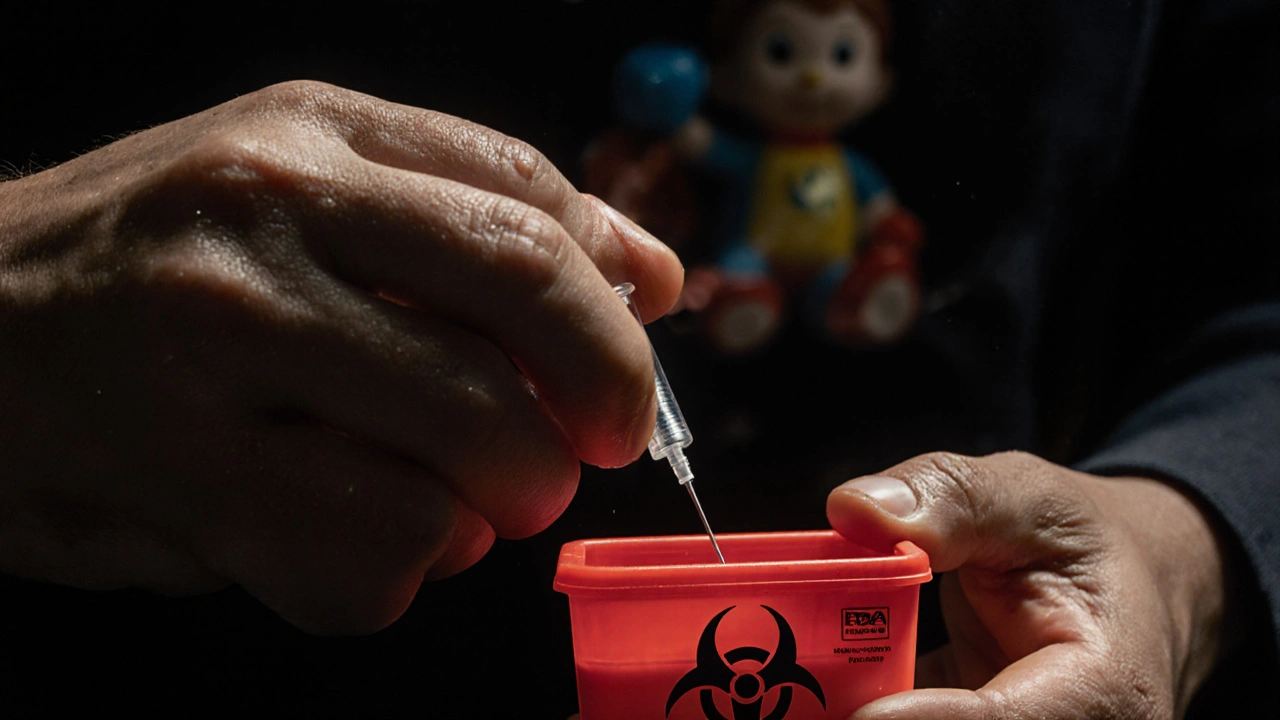
How to Dispose of Sharps and Needles from Injected Medications Safely
Learn how to safely dispose of needles and sharps from injected medications to prevent injuries and infections. Find out what containers to use, where to drop them off, and what happens if you don’t.