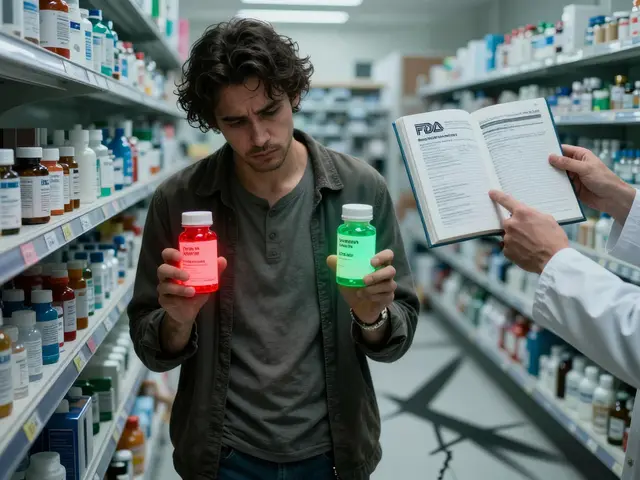
Standard Review FDA: What It Means for Your Medications
When you hear standard review FDA, the process the U.S. Food and Drug Administration uses to evaluate new drugs before they reach patients. Also known as regular review, it’s the most common path for drugs that aren’t considered breakthroughs but still need solid proof of safety and effectiveness. This isn’t a slow or lazy process—it’s a thorough check that balances speed with patient safety. Most new prescription drugs, from blood pressure pills to antidepressants, go through this route. It’s not about how flashy the drug is, but whether the data shows it does more good than harm.
The FDA drug approval, the official decision by the U.S. Food and Drug Administration to allow a drug to be sold in the U.S. doesn’t happen overnight. For a standard review, the FDA has up to 10 months to review the application. That’s longer than the six-month clock for priority reviews, but it’s still fast by global standards. During this time, they dig into clinical trial data, manufacturing details, and potential side effects. They look at everything from how a drug affects blood pressure to whether it increases fall risk in seniors—topics covered in posts about orthostatic hypotension and antidepressants. The FDA doesn’t just accept what the company says. They re-analyze the numbers, check for hidden risks, and compare the drug to what’s already on the market.
What does this mean for you? If a drug went through a standard review, it’s not a gamble. It’s been vetted using the same rules as other approved medications. That’s why drugs like allopurinol for gout, isosorbide mononitrate for angina, or dexamethasone for inflammation all carry the same level of trust, even if they’re not new. The review process doesn’t care if the drug treats a rare condition or a common one—it cares about the evidence. And that evidence is what connects to posts about aspirin and gallbladder health, or how chlorambucil interacts with other drugs. The FDA doesn’t just approve drugs; they help you understand what’s safe to take with what.
Some people think only fast-tracked drugs are worth taking. That’s not true. Most of the medications people rely on daily—whether for depression, heart health, or infection—came through the standard review. It’s the backbone of safe prescribing. The posts below cover real-world examples of how this process plays out: from how sun protection matters for photosensitizing drugs, to why safe sharps disposal is part of the bigger picture of medication safety. You’ll find comparisons of ED pills, beta-blockers, and antibiotics—all of which had to clear the same FDA hurdle. This isn’t about bureaucracy. It’s about making sure what’s in your medicine cabinet actually works, and doesn’t hurt you more than it helps.
17

Priority vs Standard Review: How FDA Prioritizes Generic Drug Applications
The FDA uses priority and standard review tracks for generic drugs. Priority review, at 8 months, is reserved for first generics, drugs in shortage, or those with clinical advantages. A new pilot rewards U.S. manufacturing. Understanding these rules helps companies get approvals faster and patients get affordable drugs sooner.