
Steroid Joint Injections: What They Are, How They Work, and What to Expect
When your knee, shoulder, or hip hurts from arthritis or injury, steroid joint injections, a medical procedure that delivers anti-inflammatory medication directly into a painful joint. Also known as corticosteroid injections, they’re one of the most common ways doctors help people move better without surgery. Unlike pills that travel through your whole body, these shots put the medicine exactly where it’s needed—right in the joint. That means faster relief, fewer side effects, and less impact on your stomach, liver, or kidneys.
They work by targeting inflammation, the body’s natural response to injury or disease that causes swelling, heat, and pain. This is especially helpful for conditions like arthritis, a group of joint disorders that cause stiffness, swelling, and loss of function. Many people with osteoarthritis or rheumatoid arthritis find that one injection gives them weeks or even months of relief. But they’re not a cure. They’re a tool to manage symptoms so you can stay active, do physical therapy, or delay surgery.
Not everyone gets the same results. Some feel better within a day. Others take a week. The effect usually lasts between a few weeks and six months. Doctors typically limit these injections to three or four times a year per joint because too much steroid can weaken tendons or damage cartilage over time. If you have diabetes, the shot might raise your blood sugar temporarily. If you’re on blood thinners, your provider will check your clotting risk first.
What you might not realize is that these injections often work best when paired with other treatments. Physical therapy, weight management, or even simple movement routines can make the relief last longer. Some people skip the shot and try oral meds or braces first. Others wait until pain stops them from walking or sleeping. There’s no one-size-fits-all approach.
The posts below cover real stories and science behind steroid joint injections—from how they’re given, what to expect during and after the procedure, to what alternatives exist when the shot doesn’t work. You’ll also find insights on how other medications interact with steroids, why some people feel worse before they feel better, and what to do if your pain returns. Whether you’re considering this treatment, just had one, or are helping someone who did, these articles give you the clear, no-fluff facts you need to make smart choices.
29
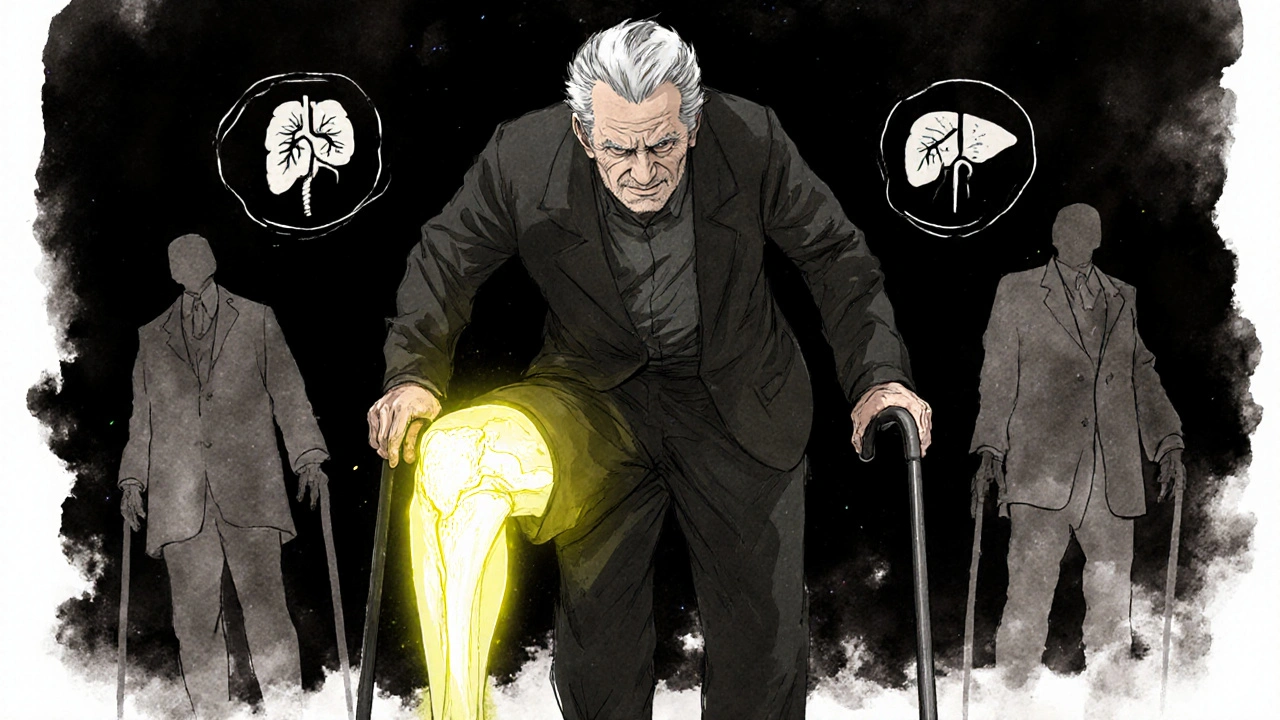
Intra-Articular Steroid Injections: What You Need to Know About Systemic Side Effects and Limits
Intra-articular steroid injections offer quick joint pain relief but carry hidden risks like accelerated joint damage, high blood sugar, and adrenal suppression. Learn the real limits and who should avoid them.