Adverse Drug Reactions: What They Are, Why They Happen, and How to Stay Safe
When you take a medication, you expect it to help—not hurt. But adverse drug reactions, unintended and harmful responses to medications at normal doses. Also known as drug side effects, they’re more common than most people realize, and often go unreported. These aren’t just occasional nausea or drowsiness. They can mean dangerous drops in blood pressure, liver damage, dangerous heart rhythms, or even life-threatening allergic responses. The truth? Almost every medication carries some risk, and knowing which ones are most likely to cause trouble can save your health.
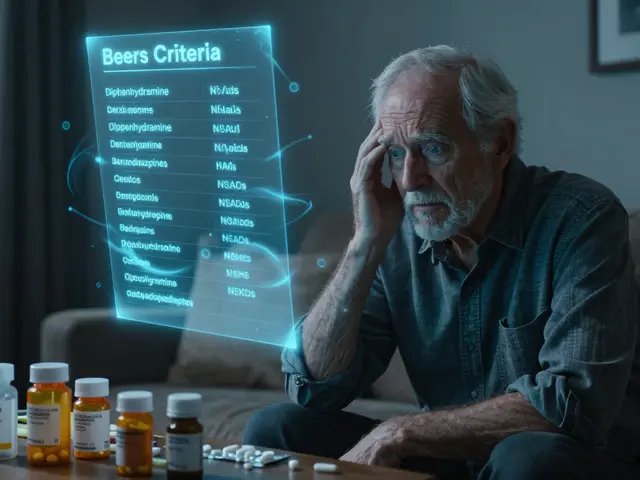
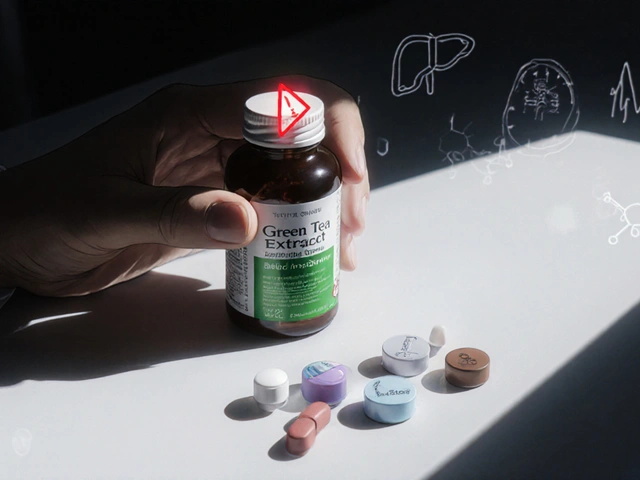
Some generic switching, changing from a brand-name drug to its generic version. Also known as drug substitution, it is a major source of unexpected reactions. While generics are chemically identical, their inactive ingredients—like fillers, dyes, or coatings—can trigger side effects in sensitive people. That’s why some folks feel different after switching, even if their doctor says it’s "the same drug." Then there’s drug interactions, when one medication or supplement changes how another works in your body. Also known as medication conflicts, they can turn a safe drug into a danger. Green tea extract, St. John’s wort, even common NSAIDs like aspirin can interfere with blood thinners, antidepressants, or cholesterol meds. And for seniors, it’s worse: drugs like benzodiazepines or blood pressure pills can cause dizziness, falls, and hospital stays. The FDA and independent studies show these reactions are often missed because patients don’t report them, or doctors don’t ask.
It’s not just about the drug itself—it’s about your body, your other meds, your diet, and even your genetics. Some people break down warfarin differently, making small dose changes risky. Others absorb lipid-based drugs only with fatty meals. And if you’re on multiple prescriptions, the chance of a hidden interaction climbs fast. That’s why lab monitoring calendars, careful tracking of symptoms, and knowing your exact medication list matter more than you think. You don’t need to avoid all drugs. You just need to know which ones to watch closely.
Below, you’ll find real, practical guides on exactly this: how to spot dangerous reactions before they escalate, why switching generics sometimes backfires, what supplements quietly interfere with your meds, and how to talk to your doctor about risks you might not even know you have. These aren’t theory pages. They’re tools built from patient experiences and clinical data—designed to help you stay safe while getting the treatment you need.
3
How to Use Clinician Portals and Apps for Drug Safety Monitoring
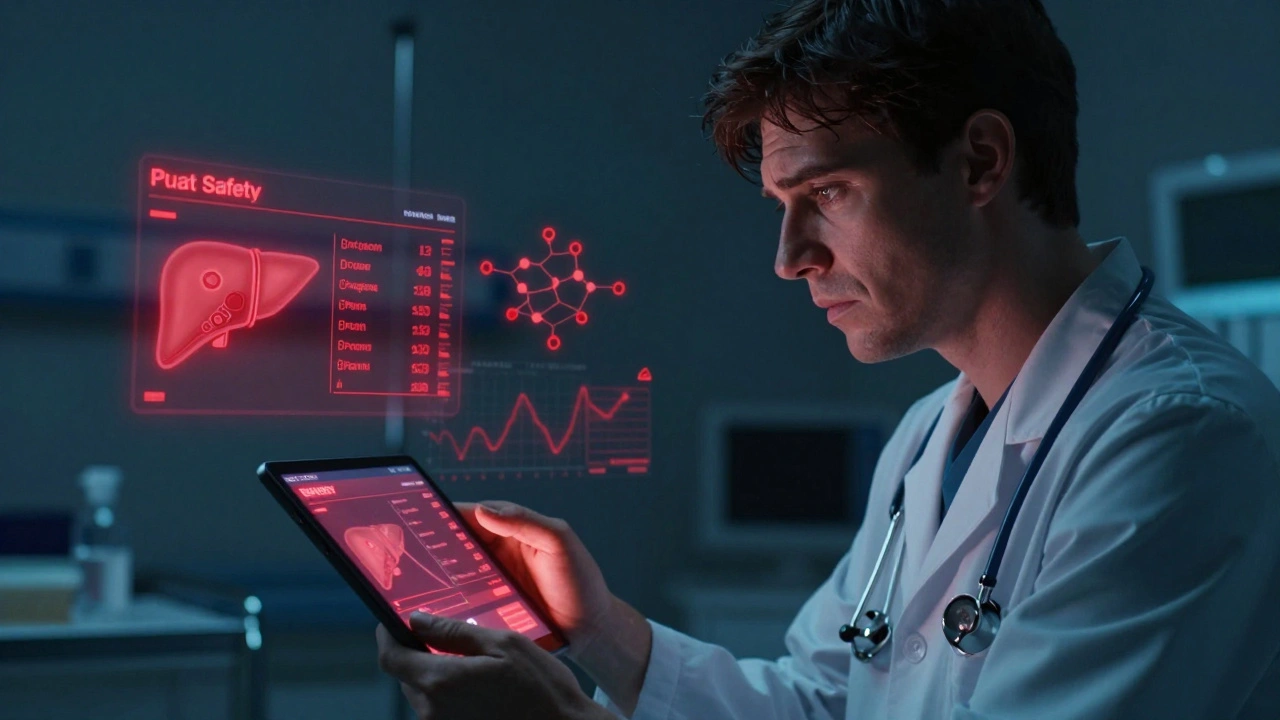
Learn how clinician portals and apps help healthcare professionals detect and report adverse drug reactions in real time, improving patient safety through integrated EHR tools, AI alerts, and streamlined reporting systems.