ANDA: What It Is, How It Works, and Why It Matters for Generic Drugs
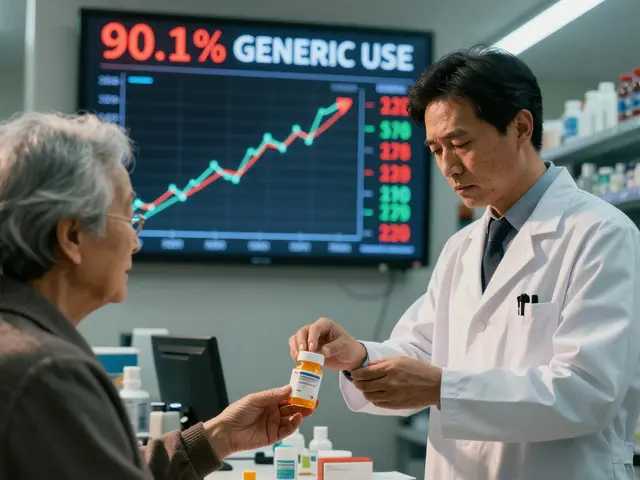
When you pick up a generic pill at the pharmacy, there’s a good chance it got there through an ANDA, Abbreviated New Drug Application, the FDA’s official pathway for approving generic versions of brand-name medications. Also known as Abbreviated New Drug Application, it’s the system that lets cheaper drugs hit shelves without repeating every single clinical trial the original brand went through. This isn’t a shortcut—it’s a smart, science-backed process designed to save money without sacrificing safety.
Here’s how it works: before a generic drug can be sold, the maker must prove it’s bioequivalent to the brand-name version. That means it delivers the same active ingredient, in the same amount, at the same speed into your bloodstream. The FDA doesn’t need to retest safety from scratch—instead, they focus on whether the generic matches the original in performance. This is why thousands of generics are approved every year, and why most people can switch without issues. But it’s not foolproof. Differences in inactive ingredients, fillers, dyes, or coatings that don’t affect the drug’s action but can change how it’s absorbed or tolerated sometimes cause side effects in sensitive patients. That’s why some people notice a difference after switching, even when the active drug is identical.
The FDA review process, the system that evaluates ANDAs for quality, safety, and manufacturing standards before approval also checks how the drug is made. Every batch must meet strict GMP compliance, Good Manufacturing Practices that ensure consistent quality and safety across all production runs. If a company cuts corners on production, the FDA can block the ANDA—or pull an approved generic off the market. This is why batch release testing and quality control are non-negotiable.
Some ANDAs get fast-tracked. If a drug is in short supply, or if it’s the first generic version of a brand-name drug, the FDA gives it priority review, a faster approval track that cuts review time from 10 months to 8 months. That’s why you might suddenly see a new generic version of a pricey medication—it’s not random. It’s the system working.
Behind every generic you take is a paper trail: data on dissolution rates, stability tests, and manufacturing controls—all submitted under the ANDA. It’s not glamorous, but it’s what keeps your pills safe and affordable. And while the brand-name company holds the original patent, the ANDA process ensures competition kicks in once that patent expires. That’s how prices drop, and why millions of Americans rely on generics every day.
What you’ll find below are real-world stories and practical guides about how this system affects you—from why your generic might feel different, to how warfarin switches need extra monitoring, to how employer formularies push generics to control costs. These aren’t theoretical debates. They’re the lived experience of people who depend on affordable, reliable medication. And understanding ANDA helps you ask the right questions when something doesn’t feel right.
11
Hatch-Waxman Amendments: How Landmark Law Made Generic Drugs Possible
The Hatch-Waxman Amendments of 1984 created the modern system for generic drugs in the U.S., balancing innovation with affordability. Learn how it cut drug costs by 80%, sparked a generic drug revolution, and still shapes access to medicine today.
1
History of Generic Drugs in the United States: How Cheaper Medicines Took Over
Generic drugs now make up over 90% of U.S. prescriptions, saving billions annually. Learn how the Hatch-Waxman Act and FDA regulations turned generics from rare exceptions into the backbone of affordable healthcare.