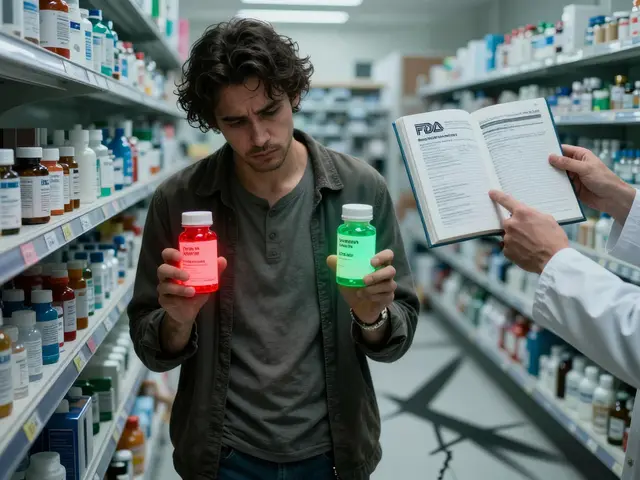
Brand Name Drugs: What They Are, Why They Cost More, and When They Matter
When you hear brand name drugs, the original versions of medications developed and marketed by pharmaceutical companies under a proprietary name. Also known as originator drugs, they’re the first to hit the market after years of research and clinical trials. These are the pills you see advertised on TV—Lipitor, Advair, Nexium. They’re not just names; they represent patents, investments, and sometimes, real differences in how your body responds.
But here’s the thing: once the patent runs out, other companies can make the same active ingredient and sell it as a generic drug, a copy of the brand name version that contains the same active ingredient, dosage, and intended use. Also known as generic medications, they’re often 80% cheaper and just as effective, according to the FDA. That’s why most prescriptions today are filled with generics. But not all switches are smooth. Some people notice side effects after switching, not because the active ingredient changed, but because of differences in inactive ingredients, fillers, dyes, or binders that don’t treat the condition but affect how the drug is absorbed or tolerated. That’s why brand name drugs still matter for some people—especially with drugs like warfarin, where tiny changes in absorption can throw off your INR levels.
Brand name drugs aren’t always better, but they’re not always just marketing. The FDA approval, the official process that evaluates a drug’s safety, effectiveness, and manufacturing quality before it can be sold in the U.S. applies to both brand and generic versions. But getting that approval for a brand name drug takes over a decade and costs billions. That’s why companies fight to extend patents, create new formulations, or bundle drugs together. And that’s why you might see a brand name drug still on the market years after generics are available—sometimes because the company added a new delivery system, or because patients report better results.
It’s not just about cost. It’s about control. If you’ve been on the same brand name drug for years and your condition is stable, switching to a generic might seem like a no-brainer. But if you’ve had bad reactions before, or if your doctor says your case is tricky, staying on the brand could be the safer move. The same goes for drugs with a narrow therapeutic index, a small margin between the dose that works and the dose that causes harm. Warfarin, lithium, and some seizure meds fall into this category. Even small differences in how your body absorbs the drug can be risky.
Below, you’ll find real-world stories and hard facts about how brand name drugs compare to generics, how patents shape what’s available, and when sticking with the original might actually be the smartest choice for your health. No fluff. Just what you need to know to ask the right questions and make the best call for your body.
23

Single-Source vs Multi-Source Drugs: What Patients Need to Know About Cost, Effectiveness, and Switching
Understand how single-source and multi-source drugs affect your costs, effectiveness, and insurance coverage. Learn why generics work the same, why prices vary, and what to ask your pharmacist.
1
Are generic drugs as safe as brands? Clinical evidence says yes - mostly
Generic drugs are just as safe and effective as brand-name drugs for most people, backed by decades of clinical data. Learn when they're identical, when to be cautious, and how to protect your health when switching.