Drug Safety Monitoring: How We Track Risks and Keep Medications Safe
When you take a pill, you trust it won’t harm you. That trust isn’t luck—it’s built by drug safety monitoring, the ongoing process of tracking side effects, interactions, and hidden dangers of medications after they reach the market. Also known as pharmacovigilance, it’s the quiet system that catches problems drug trials miss—like rare heart rhythm issues, liver damage from long-term use, or dangerous interactions with supplements. Every time someone reports a weird reaction to a drug, that report feeds into a global network designed to spot patterns before thousands get hurt.
This isn’t just about new drugs. Even old favorites like warfarin, a blood thinner with a narrow safety window need constant watch. Switching generic versions can change how your body absorbs it, and without INR monitoring, a blood test that measures how long your blood takes to clot, you could bleed internally or form a deadly clot. Same with intra-articular steroid injections, shots meant to ease joint pain—they can spike blood sugar, weaken tendons, or even shut down your body’s natural stress response if used too often. Drug safety monitoring doesn’t wait for headlines; it digs into data from clinics, pharmacies, and patient reports to find these hidden risks.
It’s also why your generic pill might make you feel different—even if the active ingredient is identical. inactive ingredients, the fillers, dyes, and binders in a pill can cause reactions in sensitive people. One person’s harmless tablet is another’s trigger for bloating, headaches, or rashes. That’s why batch testing and post-market surveillance keep checking every new run of medicine. And when a drug like green tea extract or St. John’s wort quietly messes with your blood pressure or antidepressant, it’s drug safety monitoring that connects those dots.
Behind the scenes, systems like the FDA’s MedWatch and global databases track everything from allergic reactions to cancer links. They don’t just react—they predict. A spike in reports of dizziness after a new blood pressure drug? That triggers a review. A pattern of falls in seniors on certain antidepressants? That leads to updated warnings. This is how we go from "it worked for 10,000 people" to "it’s safe for you." Below, you’ll find real-world guides on how to spot risks, understand your meds, and ask the right questions before your next prescription.
3
How to Use Clinician Portals and Apps for Drug Safety Monitoring
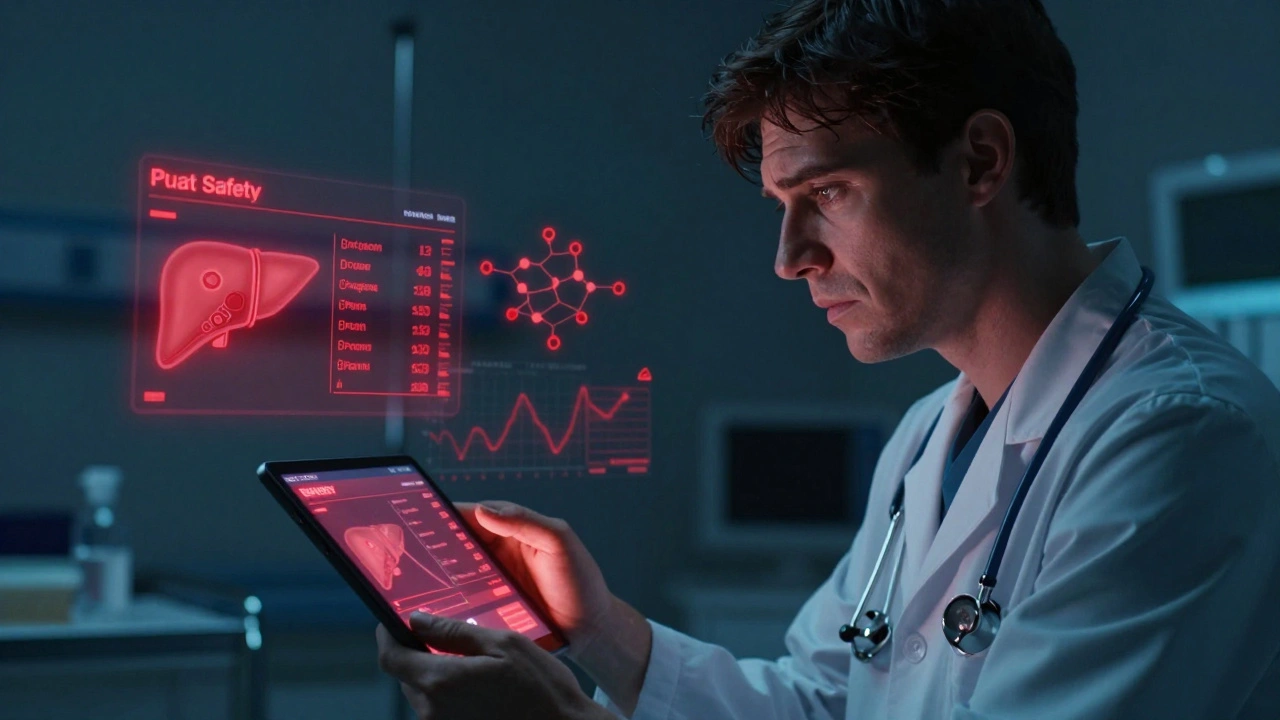
Learn how clinician portals and apps help healthcare professionals detect and report adverse drug reactions in real time, improving patient safety through integrated EHR tools, AI alerts, and streamlined reporting systems.