Efficacy: What Makes Medications Work and When They Don’t
When we talk about efficacy, how well a medication produces the desired therapeutic effect under real-world conditions. Also known as drug effectiveness, it’s not just a number on a clinical trial report—it’s whether your pill actually helps you feel better, breathe easier, or avoid a hospital visit. Many people assume if a drug is FDA-approved, it works the same for everyone. But efficacy isn’t fixed. It changes based on your age, what else you’re taking, even what you ate for breakfast.
Generic drugs, medications that copy brand-name drugs after patents expire. Also known as bioequivalent drugs, they’re designed to have the same efficacy as the original—but sometimes, differences in inactive ingredients or how your body absorbs them can make you feel like it’s a different drug. That’s why switching from brand to generic can trigger unexpected side effects, even when the active ingredient is identical. And when it comes to drugs like warfarin, a blood thinner with a narrow window between too little and too much. Also known as anticoagulant, it’s not just about the dose—small changes in absorption can throw off your INR levels and put you at risk for clots or bleeding. This is why monitoring matters. Pharmacovigilance, the science of detecting, assessing, and preventing adverse drug effects. Also known as drug safety monitoring, it’s the system that catches when a drug that worked for most people starts causing problems in others. It’s why clinicians use portals to track reactions in real time, and why batch testing ensures every pill you get meets the same standard.
Efficacy also depends on how you take it. Fatty meals can boost absorption for some drugs, while others need an empty stomach. Supplements like green tea extract can block the action of statins or blood pressure meds. Even stress can interfere with heart medications like isosorbide mononitrate. What works in a lab doesn’t always work in your life. That’s why knowing your own body, your other meds, and your habits matters more than any marketing claim. The posts below break down real cases where efficacy shifted—sometimes subtly, sometimes dangerously—because of hidden factors. You’ll find out why a generic might make you feel off, how a steroid injection can weaken your joints over time, and why some people need lab calendars just to stay safe. This isn’t theory. It’s what happens when efficacy meets reality.
1
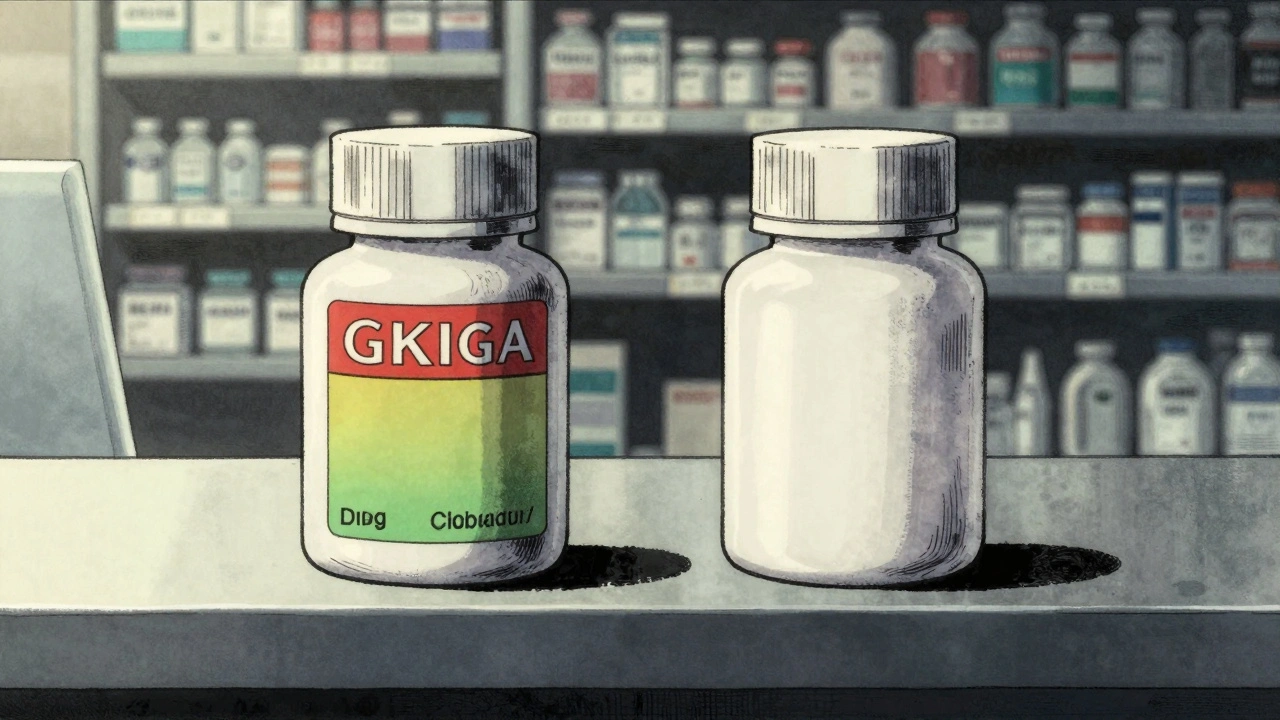
Are generic drugs as safe as brands? Clinical evidence says yes - mostly
Generic drugs are just as safe and effective as brand-name drugs for most people, backed by decades of clinical data. Learn when they're identical, when to be cautious, and how to protect your health when switching.