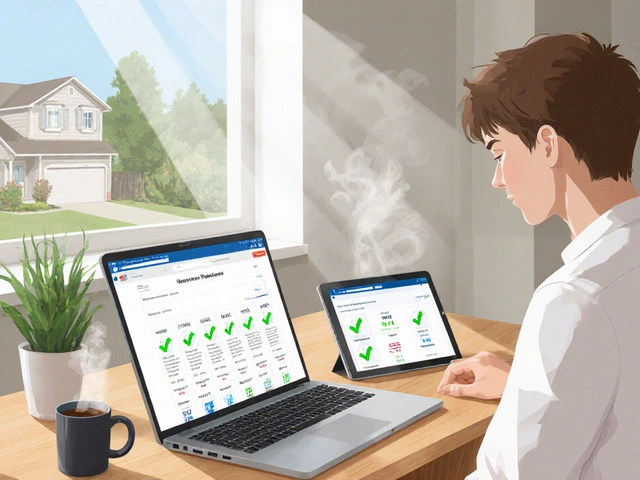
Medications and Work Safety: What You Need to Know to Stay Safe on the Job
When you take medications, chemicals prescribed or taken to treat health conditions. Also known as drugs, they help you feel better—but they can also make your job risky. Many people don’t realize that common prescriptions can turn ordinary tasks into hazards. A drowsy truck driver, a dizzy warehouse worker, or someone with blurred vision operating machinery isn’t just at risk—they’re a danger to others too.
Orthostatic hypotension, a sudden drop in blood pressure when standing up is one of the quiet killers in workplaces. It’s caused by blood pressure meds, antidepressants, and even some prostate drugs. You stand up, feel lightheaded, and next thing you know, you’re on the floor. The CDC says fall risk medications, drugs that increase the chance of falling, especially in older adults are behind 20-30% of preventable falls in people over 65. But it’s not just seniors. Factory workers on sedatives, nurses on painkillers, and warehouse staff on antihistamines are all affected. Even drug side effects, unintended physical reactions caused by medications like blurred vision from anticholinergics or slowed reaction time from benzodiazepines can turn a routine shift into an accident waiting to happen.
Workplace safety isn’t just about hard hats and safety rails. It’s also about what’s in your medicine cabinet. Employers and employees both need to talk openly about meds. If you’re on a new prescription, ask: Could this make me drowsy? Could it make me dizzy? Could it blur my vision? If the answer is yes, don’t ignore it. Talk to your doctor about alternatives, timing your dose, or adjusting your duties. Many people suffer in silence because they think it’s just part of taking meds. It’s not. You have the right to work safely. Below, you’ll find real-world guides on how to spot dangerous drug effects, what to do when generics make you feel off, how to track side effects before they hurt you, and how to protect yourself when your job depends on being sharp, steady, and alert.
5
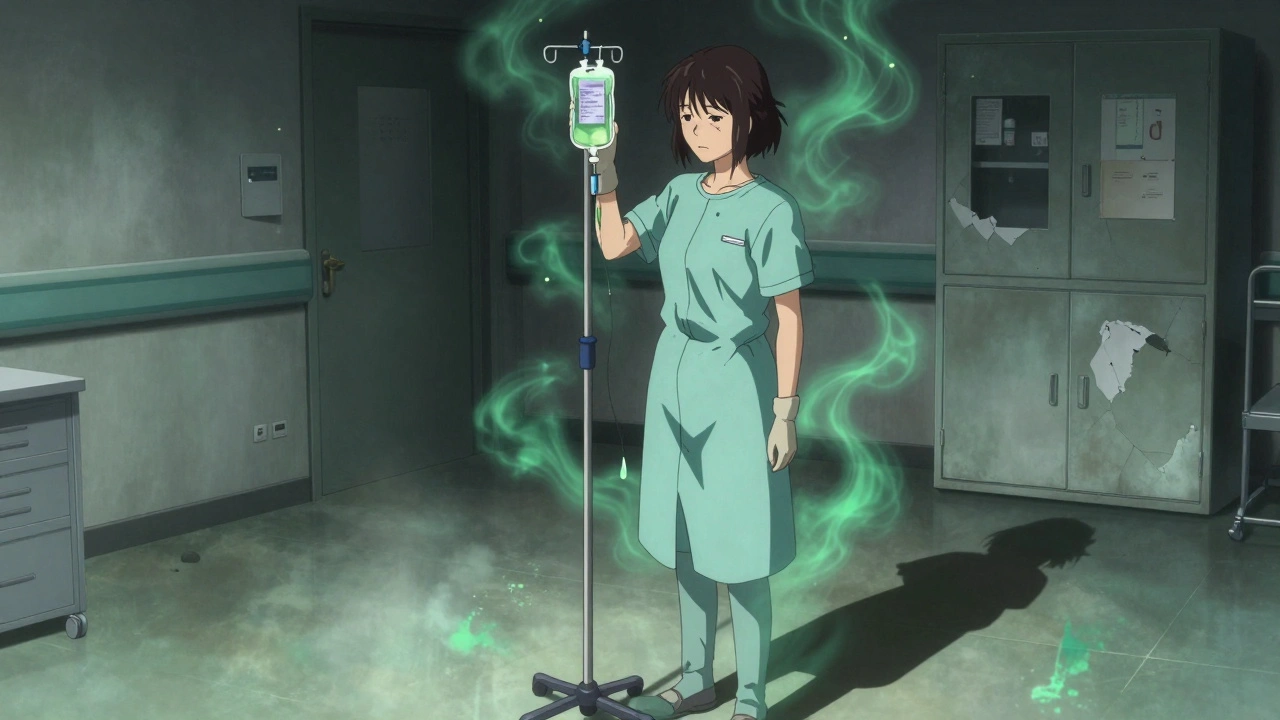
Medications and Work Safety: What Workers Need to Know About Risks on the Job
Medications can affect work safety in two ways: when workers take drugs that impair performance, or when they're exposed to hazardous drugs on the job. Learn the risks, real-world data, and how to stay safe.