Sunscreen: What It Does, How to Choose, and Why It Matters for Your Skin
When you step outside, your skin is exposed to UV radiation, invisible rays from the sun that cause skin damage, premature aging, and increase cancer risk. Also known as ultraviolet light, it doesn’t need to be hot or sunny to harm you—clouds don’t block it, and snow or water can reflect it back at you. That’s where sunscreen, a topical product designed to absorb or reflect UV rays before they penetrate the skin. It’s not just for beach days—it’s daily protection, like brushing your teeth.
Not all sunscreens are the same. The key is finding one labeled broad-spectrum, which means it protects against both UVA (aging rays) and UVB (burning rays). Look for SPF 30 or higher. SPF 30 blocks about 97% of UVB rays; SPF 50 blocks 98%. Going higher gives almost no extra benefit, but people often skip reapplication, so higher SPF can help if you’re lazy about reapplying. Mineral sunscreens with zinc oxide or titanium dioxide sit on top of the skin and start working right away. Chemical ones like avobenzone or octinoxate need about 15 minutes to absorb before they work. Both types are safe and effective—choose based on your skin type, not marketing claims.
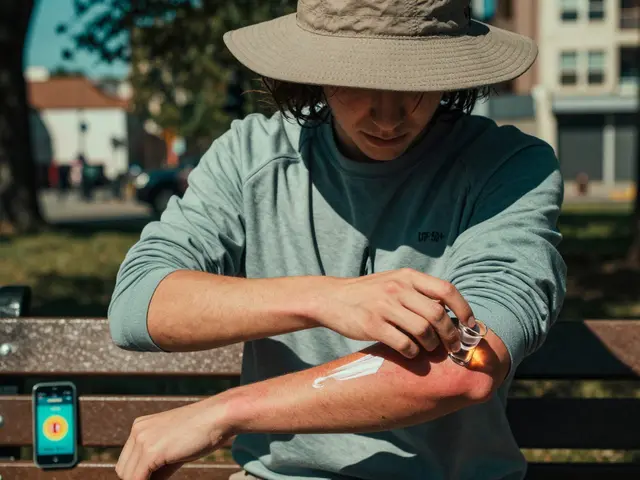
Most people apply too little. You need about a shot glass full for your whole body. If you’re only putting on a thin layer, you’re getting way less protection than the label says. And don’t forget your ears, neck, lips, and tops of feet. Reapply every two hours, or right after swimming, sweating, or towel-drying. Sunscreen doesn’t last all day—even if it says "water-resistant." Also, don’t rely on sunscreen alone. Wear a hat, sunglasses, and seek shade during peak sun hours (10 a.m. to 4 p.m.).
People with darker skin still need sunscreen. While melanin offers some natural protection, it doesn’t stop UV damage or skin cancer. In fact, when skin cancer shows up in people of color, it’s often found later and harder to treat. Sunscreen helps prevent dark spots, uneven tone, and premature aging in all skin types. Even if you don’t burn, your skin is still taking damage.
Some medications make your skin more sensitive to the sun—antibiotics, acne treatments, even some blood pressure pills. If you’re on anything new, check the label or ask your doctor. Sunscreen becomes even more critical then. And if you’ve had skin cancer before, your doctor likely told you to be extra careful. That’s not a suggestion—it’s a rule.
Here’s what you’ll find in the articles below: real-world advice on choosing the right sunscreen, how it interacts with other medications, what to do if you have sensitive skin, and why skipping it—even on cloudy days—is riskier than you think. No fluff. Just what works.
13

Sun Protection: How to Prevent Photosensitivity Side Effects
Learn how to prevent painful sun reactions if you're photosensitive. Discover the best sun protection strategies, from SPF 50+ sunscreen and UPF clothing to window films and oral supplements that actually work.