Inactive Ingredients: What They Are and Why They Matter in Your Medications
When you swallow a pill, most of what’s inside isn’t the medicine you’re taking—it’s inactive ingredients, substances added to pills and liquids to help deliver the active drug safely and effectively. Also known as excipients, these include fillers, binders, coatings, and preservatives that do nothing to treat your condition but are essential for the drug to work at all. Think of them like the packaging of a product: you don’t eat the box, but without it, the product wouldn’t reach you in usable form.
These ingredients aren’t random. They’re carefully chosen based on how the drug needs to behave—whether it should dissolve fast in your stomach, release slowly over hours, or survive the acid in your gut. Some help the tablet hold its shape, others make it easier to swallow, and a few prevent mold or bacteria from growing in the bottle. But here’s the catch: just because they’re called "inactive" doesn’t mean they’re harmless. For people with allergies, sensitivities, or dietary restrictions, these hidden components can cause real problems. Corn starch, lactose, gluten, dyes, and even certain preservatives have triggered reactions in patients who never suspected their meds were the source.
The same excipients, substances used in drug formulation to improve stability, absorption, or patient compliance that help one person absorb their medication can block absorption in another. For example, fatty foods can boost the absorption of lipid-based drugs, but if your pill uses a coating that only dissolves in fat, eating a low-fat meal might make it useless. That’s why some medications come with strict instructions like "take with food" or "avoid dairy." It’s not just about the active ingredient—it’s about the whole package. Even something as simple as the color of a pill can matter: certain dyes have been linked to behavioral changes in children, and some people report side effects from artificial flavors that aren’t listed as "active."
Manufacturers don’t always make these details easy to find. The list of inactive ingredients is often buried in the fine print of the package insert or hidden behind a website link. But if you’ve ever had an unexpected reaction to a medication—rash, stomach upset, dizziness—without a clear reason, it’s worth checking the full ingredient list. Generic versions of the same drug can use different fillers than the brand name, and that’s often why one version works fine while another gives you trouble. Even small changes in the formulation can affect how your body handles the drug.
What you’ll find in the posts below are real-world examples of how these hidden ingredients play a role in everything from how well a drug works to who should avoid it entirely. You’ll learn how drug formulation, the science of designing how a medication is made and delivered to the body impacts absorption, why some people react to common fillers like lactose, and how batch testing ensures these ingredients stay consistent and safe. You’ll also see how things like sun sensitivity, food interactions, and even gallbladder health can be tied back to what’s in your pill, not just what’s supposed to be treating you. These aren’t theoretical concerns—they’re daily realities for millions of people who need to understand their meds beyond the name on the bottle.
4
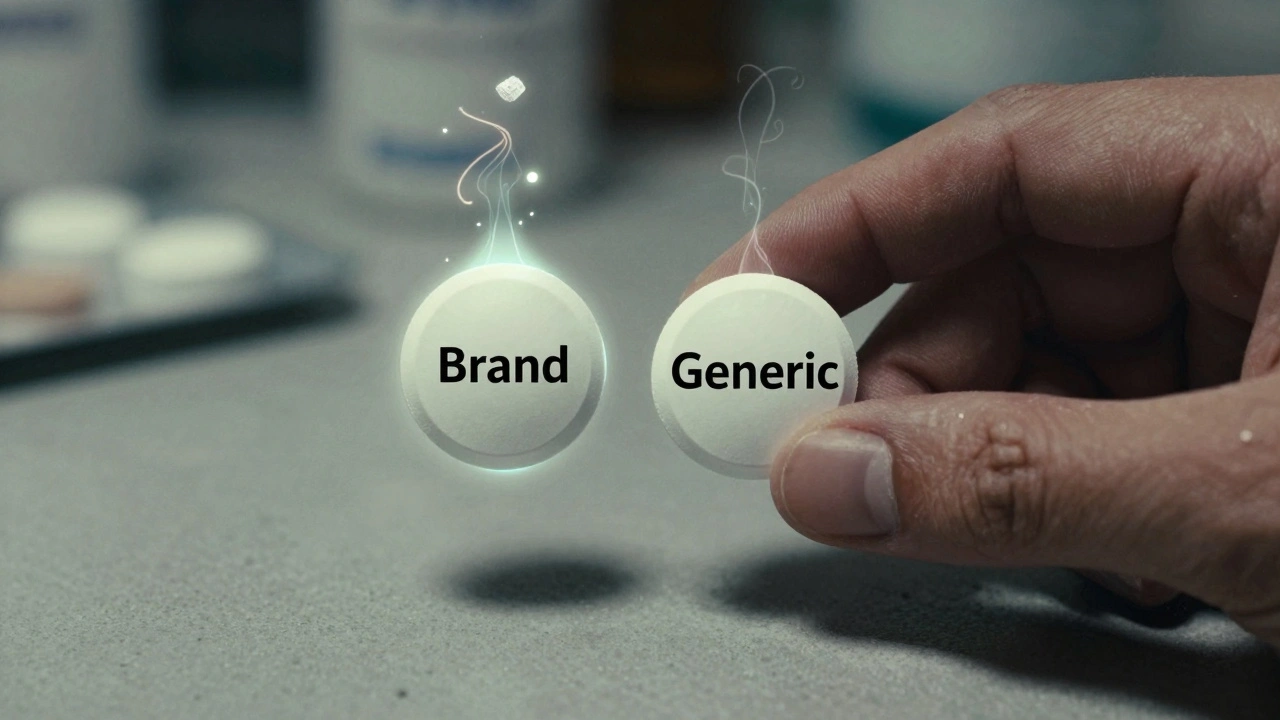
How to Address Allergies to Inactive Ingredients in Generics
Many generic medications contain hidden allergens like lactose, gluten, or food dyes that can trigger reactions-even though they have the same active ingredient as brand-name drugs. Learn how to identify risky ingredients and protect yourself.
21

Inactive Ingredient Differences: Why Your Generic Medication May Feel Different
Generic medications save money but can contain different inactive ingredients that affect how you feel. Learn why some people notice side effects after switching-and what to do about it.