NIOSH Hazardous Drugs: What You Need to Know About Safe Handling and Risks
When healthcare workers handle NIOSH hazardous drugs, chemicals identified by the National Institute for Occupational Safety and Health as posing serious health risks to those exposed. Also known as hazardous pharmaceutical agents, these substances aren’t just dangerous if swallowed—they can harm you through skin contact, inhalation, or even dust from broken pills. This list isn’t theoretical. It includes chemo drugs, certain antivirals, hormone treatments, and even some compounding agents used daily in hospitals and pharmacies.
What makes these drugs risky? They’re designed to affect human cells—cancer cells, viruses, or hormones—and that same power can damage healthy tissue. Nurses, pharmacists, and even cleaning staff can be exposed during mixing, dispensing, or disposal. The NIOSH List of Hazardous Drugs, an official, regularly updated classification system used across U.S. healthcare facilities. Also known as NIOSH 2024 List, it helps hospitals set safety protocols isn’t just a guideline—it’s the baseline for OSHA compliance and workplace safety audits. You’ll find drugs like cyclophosphamide, methotrexate, and leuprolide on it, all linked to reproductive harm, organ damage, or cancer in long-term exposure cases.
Handling these drugs isn’t about fear—it’s about control. Proper ventilation, closed-system transfer devices, and double-gloving aren’t extras—they’re the minimum. The pharmaceutical exposure limits, the maximum safe levels of drug residue allowed in air or on surfaces during handling. Also known as OELs, they’re measured in micrograms per cubic meter and vary by drug are strict for a reason. A single spill of a hazardous drug, if not cleaned with the right wipes and procedures, can linger for days. That’s why training isn’t optional. And why many hospitals now track exposure through surface swabs and air monitoring.
You’ll find posts here that dig into real problems: how generic versions of these drugs can have different inactive ingredients that affect safety, how lab monitoring helps catch early signs of exposure, and how clinician portals are now being used to flag unsafe handling practices in real time. There’s also guidance on how to spot dangerous mistakes in labeling, how to protect yourself from drug interactions if you’re exposed, and what to do when your workplace doesn’t follow the rules. This isn’t about theory—it’s about what actually works on the ground. Whether you’re a nurse, pharmacist, or pharmacy tech, the information here will help you protect yourself, your team, and your patients.
30
New Safety Data Changing Medication Guidelines: Latest Updates for 2025
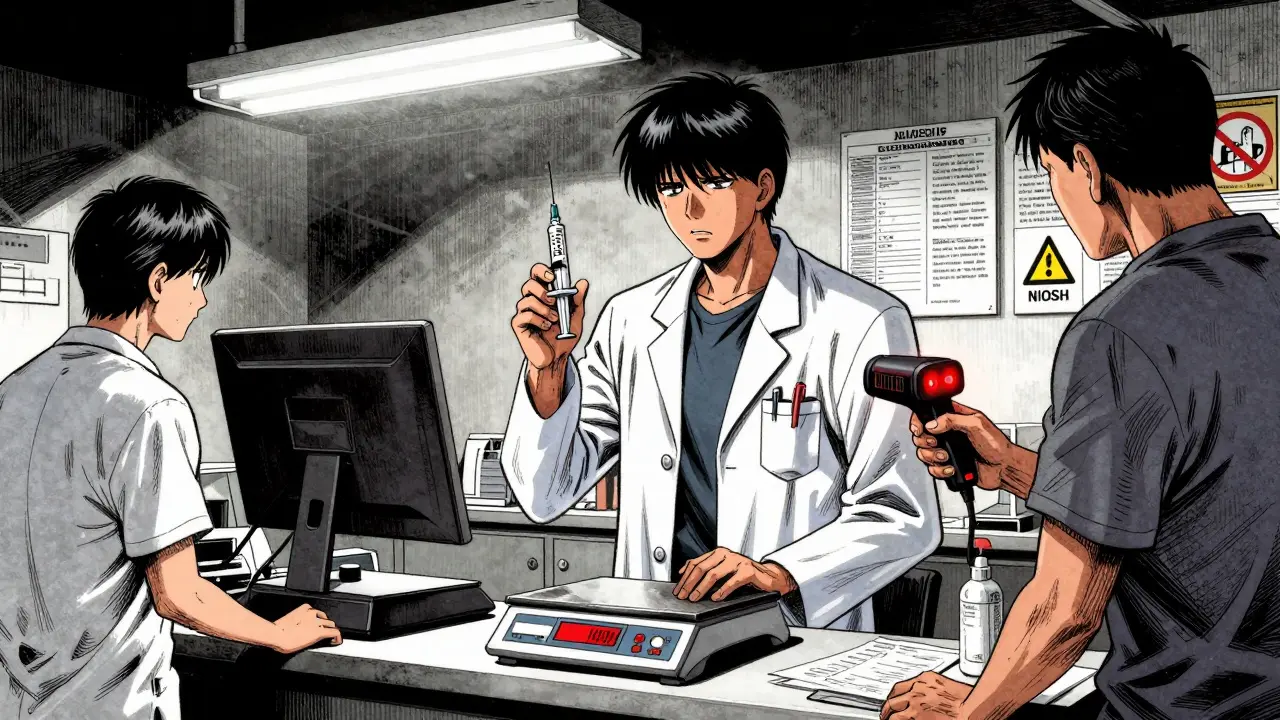
New safety data from ISMP, NIOSH, CMS, and WHO has led to major updates in medication guidelines for 2025. Learn how weight-based dosing, hazardous drug lists, and Medicare measures are changing pharmacy practice and patient safety.
5
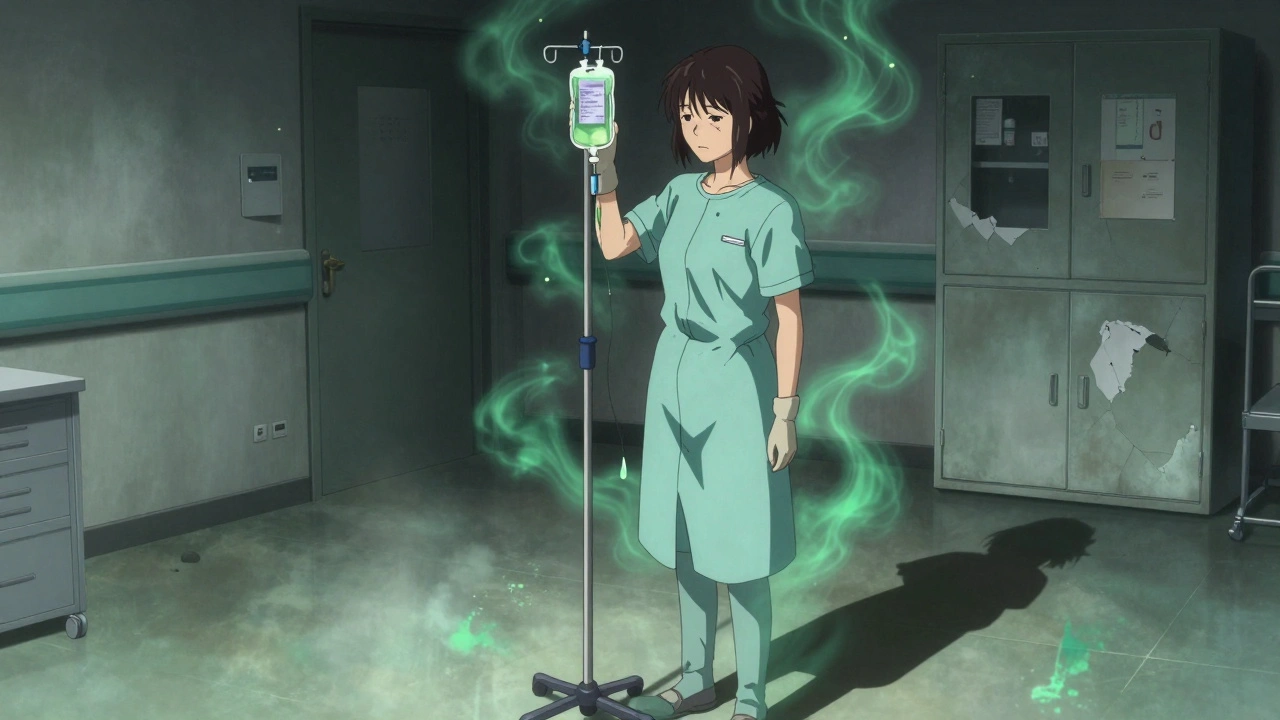
Medications and Work Safety: What Workers Need to Know About Risks on the Job
Medications can affect work safety in two ways: when workers take drugs that impair performance, or when they're exposed to hazardous drugs on the job. Learn the risks, real-world data, and how to stay safe.