
Author: Lauren Williams - Page 2
26

Herpes Simplex Virus: Types, Symptoms, and Antiviral Therapy
Herpes simplex virus affects billions worldwide. Learn the difference between HSV-1 and HSV-2, how symptoms vary, and how antiviral therapy can reduce outbreaks and transmission. Manage herpes with science, not stigma.
23

Antihistamines and Pain Relievers While Nursing: What’s Safe
Learn which antihistamines and pain relievers are safe to take while breastfeeding. Discover why loratadine and ibuprofen are top choices - and which OTC meds to avoid.
19
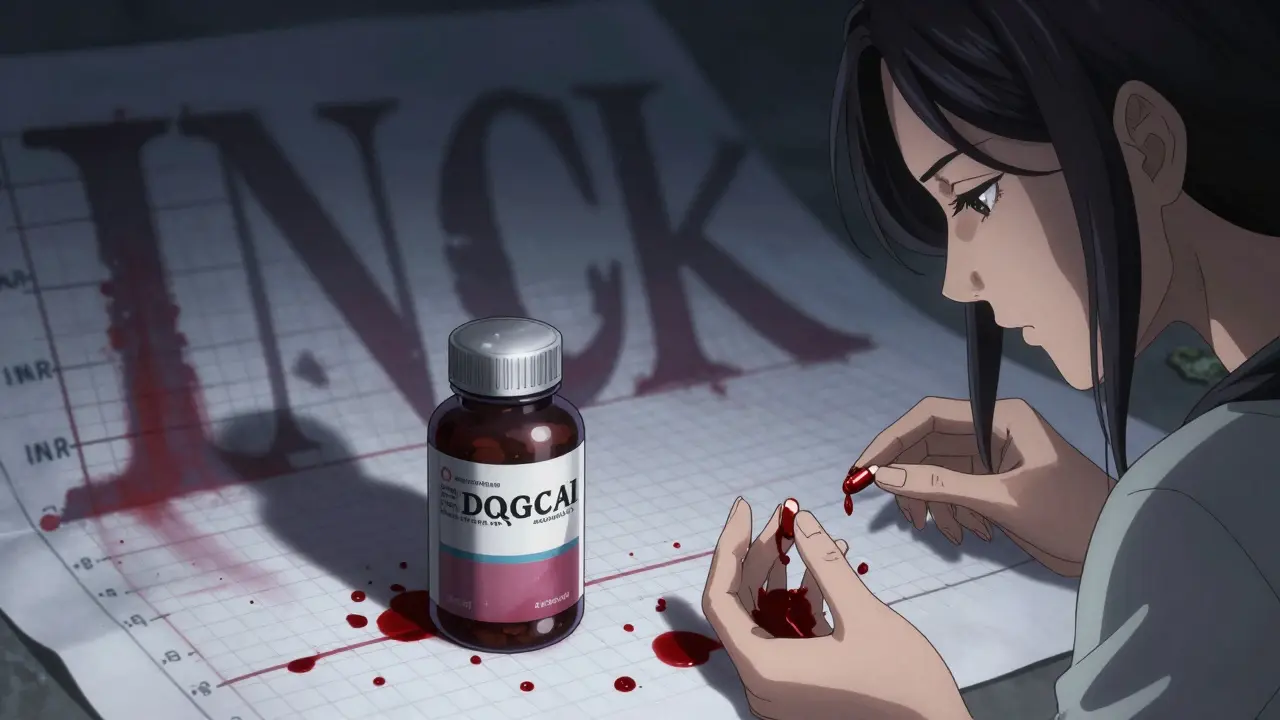
Dong Quai and Warfarin: What You Need to Know About the Bleeding Risk
Dong Quai and warfarin can dangerously increase bleeding risk. Learn why this herb-drug interaction is life-threatening, what the experts say, and what you need to do if you're on blood thinners.
16
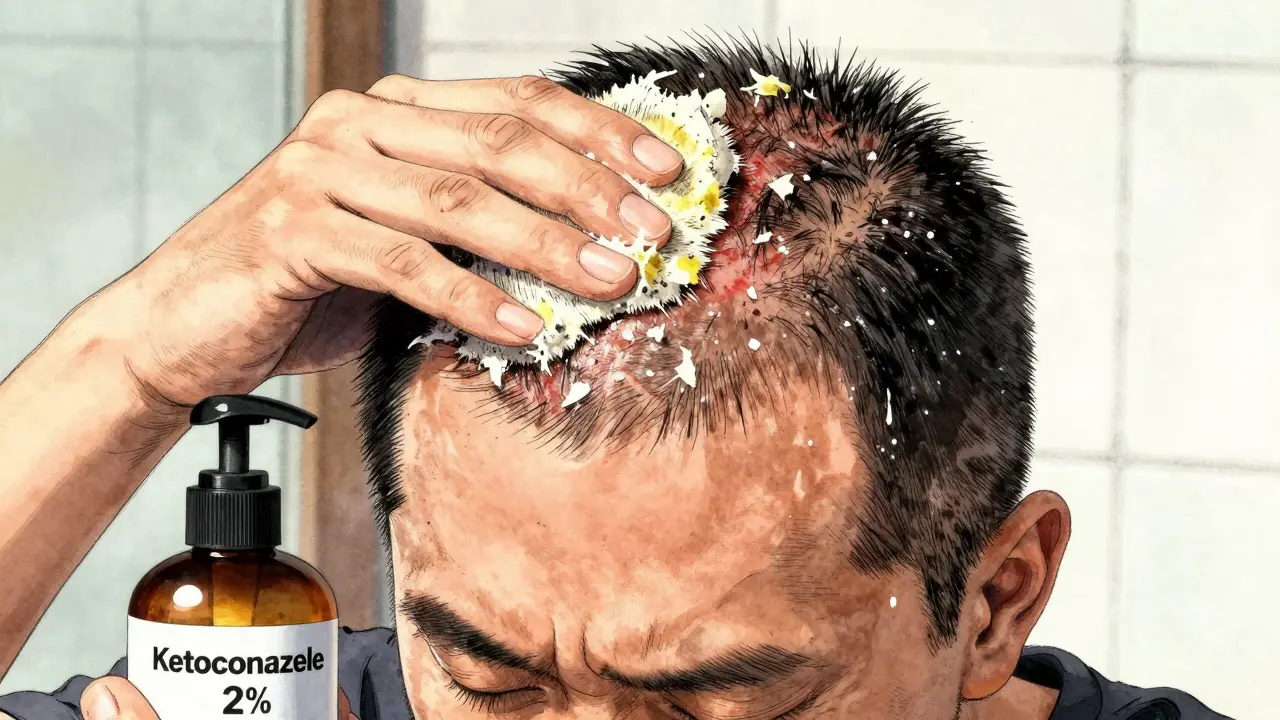
Seborrheic Dermatitis: Scalp Flaking and Medicated Shampoos
Seborrheic dermatitis causes persistent scalp flaking and redness due to yeast overgrowth. Medicated shampoos with ketoconazole, zinc pyrithione, or coal tar are the most effective treatments. Regular use, not just during flare-ups, is key to long-term control.
15
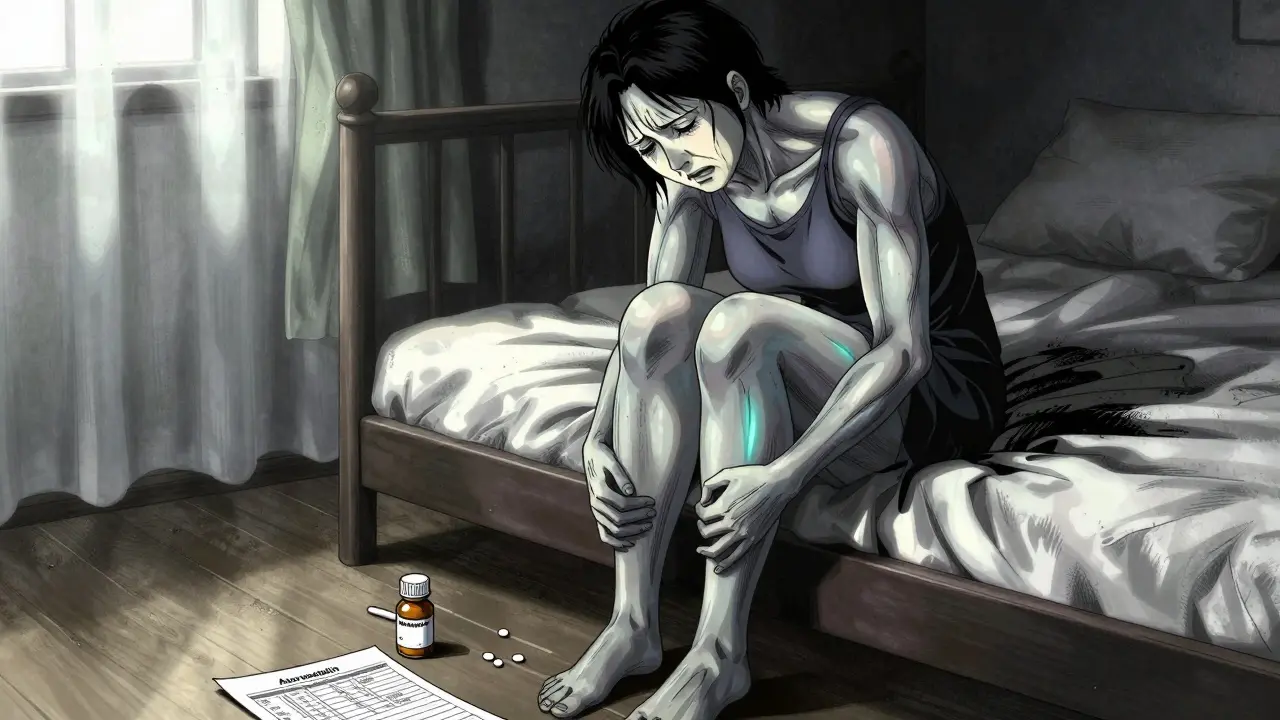
Muscle Aches from Statins: What Really Happens and What to Do
Muscle aches from statins are common but often misunderstood. Learn what's really causing the pain, who's at risk, and how to manage it without risking your heart health.
12

Vaccinations While on Immunosuppressants: Live vs Inactivated Guidance
If you're on immunosuppressants, knowing which vaccines are safe and when to get them can mean the difference between protection and serious illness. This guide breaks down live vs. inactivated vaccines, timing rules, and real-world tips for 2026.
8

How to Use Travel Apps to Locate Pharmacies and Clinics Abroad
Learn how to use travel apps to find pharmacies and clinics abroad, match medications across countries, and avoid dangerous health mistakes while traveling. Essential tools for every international traveler.
7
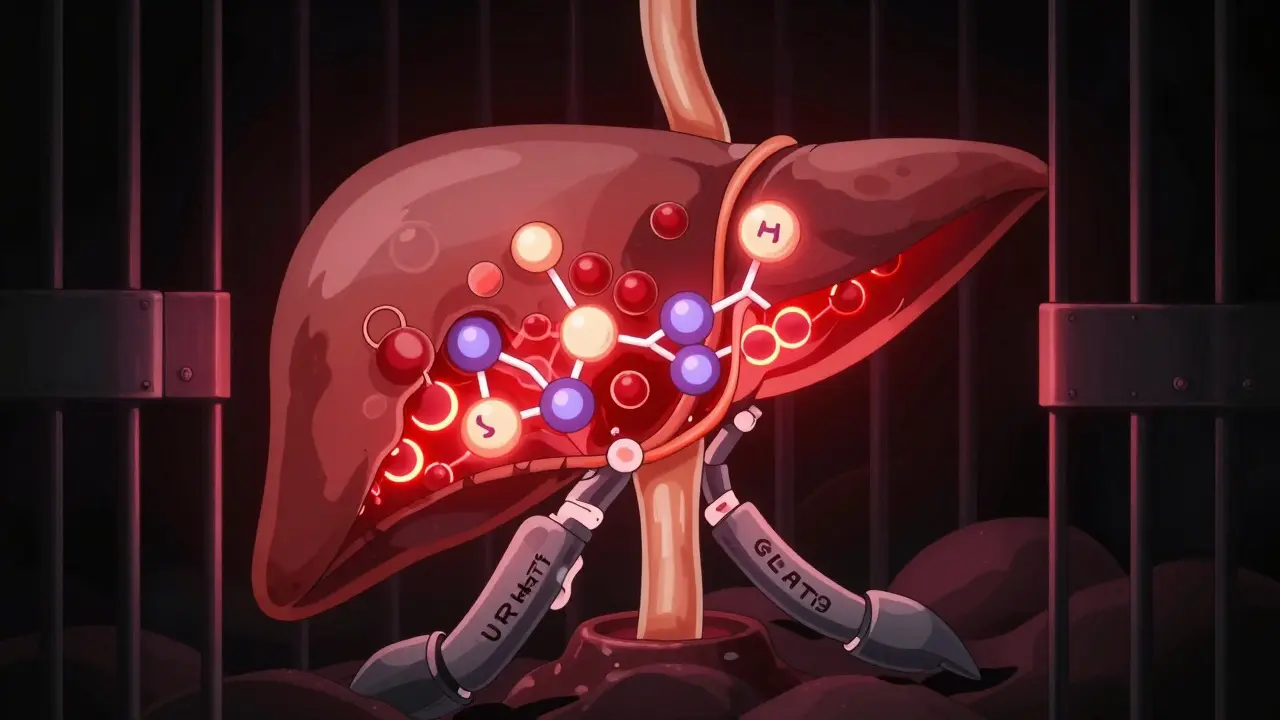
Gout: How Purine Metabolism Drives Uric Acid Buildup and What Urate-Lowering Drugs Actually Do
Gout is caused by uric acid crystals from disrupted purine metabolism. Allopurinol, febuxostat, and other urate-lowering drugs target this process - but most patients aren't getting the right dose or monitoring. Here's what actually works.
7

ADHD in Adults: How Organization, Coaching, and Medication Work Together
ADHD in adults isn't just about focus - it's about building systems that work with your brain. Learn how medication, coaching, and organization work together to improve daily life, safety, and long-term well-being.
5
ADHD Management for Adults: Medication Safety, Coaching, and Organization Strategies
Learn how to manage ADHD in adults through medication safety, coaching, and practical organization strategies. Discover effective treatments, real-world tips, and expert insights for better daily functioning and quality of life.
4

Metformin and SGLT2 Inhibitors in CKD: Updated Dosing Guidelines and Safety Tips
Current guidelines for managing Type 2 diabetes with chronic kidney disease have shifted significantly. Metformin and SGLT2 inhibitors are now safer to use at lower kidney function levels than previously thought. Learn the exact eGFR thresholds, common dosing errors, and how to monitor for side effects to protect kidney health.
3

How to Manage Interactions When Starting a New Medication
Learn how to prevent dangerous drug interactions when starting a new medication. Discover key risks, what to tell your doctor, and practical steps to stay safe - especially if you take multiple drugs.