PharmaDirect - Page 4
25

Peripheral Artery Disease: Symptoms, Diagnosis, and Treatment
Peripheral artery disease causes leg pain and increases heart attack and stroke risk. Learn the key symptoms, how it's diagnosed with ABI testing, and proven treatments including walking programs, medications, and when surgery is needed.
24
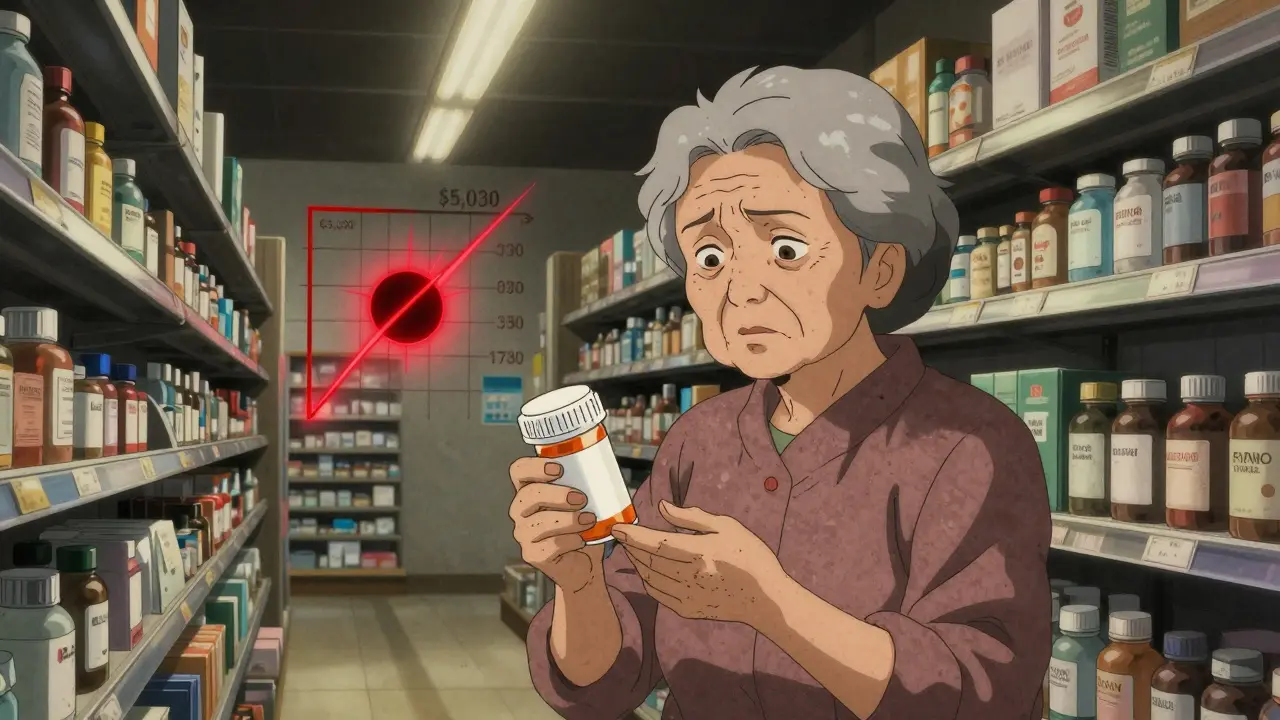
How to Manage Medication Costs During Medicare Part D Coverage Gaps (Donut Hole) in 2024-2025
Learn how to cut prescription drug costs during Medicare Part D’s coverage gap (donut hole) before it disappears in 2025. Discover real strategies to save thousands, avoid skipped doses, and use manufacturer discounts, generics, and Extra Help.
23
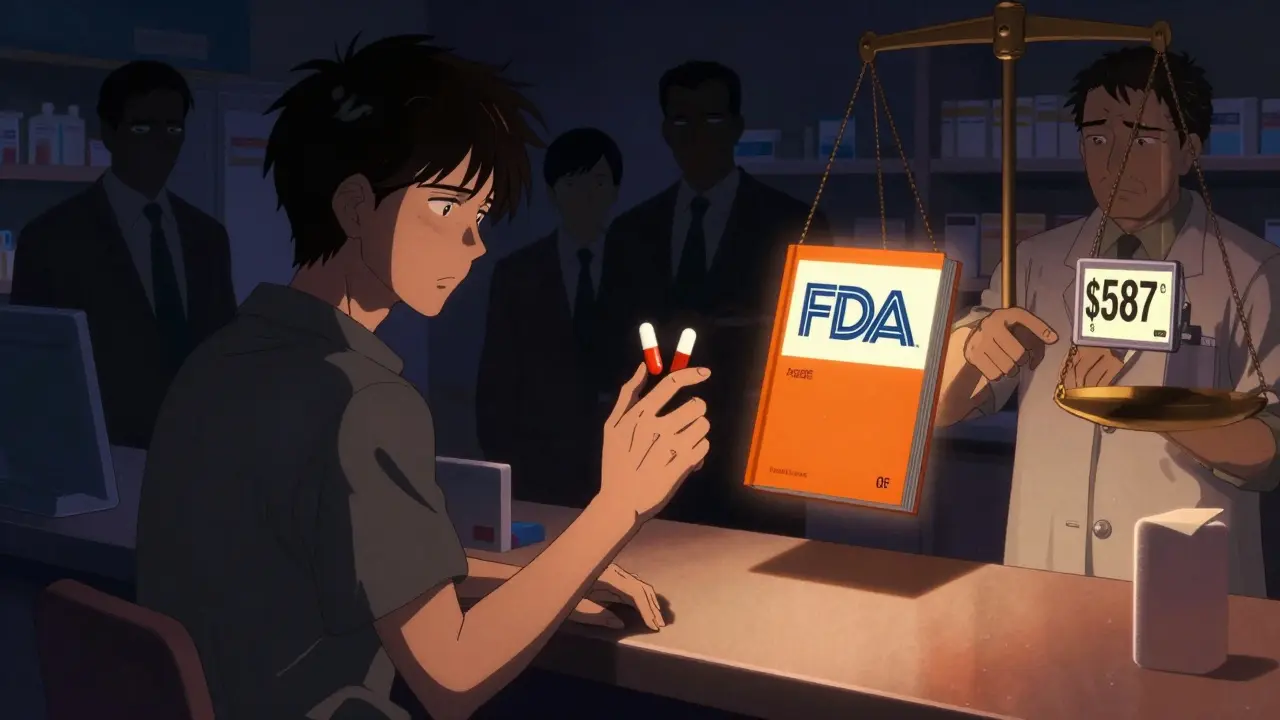
Single-Source vs Multi-Source Drugs: What Patients Need to Know About Cost, Effectiveness, and Switching
Understand how single-source and multi-source drugs affect your costs, effectiveness, and insurance coverage. Learn why generics work the same, why prices vary, and what to ask your pharmacist.
21

5-HTP and SSRIs: The Hidden Danger of Combining These for Depression
Combining 5-HTP with SSRIs can cause serotonin syndrome-a potentially fatal condition. Learn why this dangerous interaction happens, who’s at risk, and what to do if you’re already taking both.
20

Magnesium Supplements with Thyroid Medications and Antibiotics: How to Space Doses Correctly
Magnesium supplements can block thyroid medication and antibiotics from being absorbed. Learn the exact timing rules to avoid reduced effectiveness, rising TSH levels, and treatment failure.
19

Weight Management During Psychotropic Medications: What Works and What Doesn’t
Psychotropic medications often cause significant weight gain, increasing risks for diabetes and heart disease. Learn which drugs are worst, how to fight the gain with science-backed strategies, and what alternatives exist without sacrificing mental health.
18
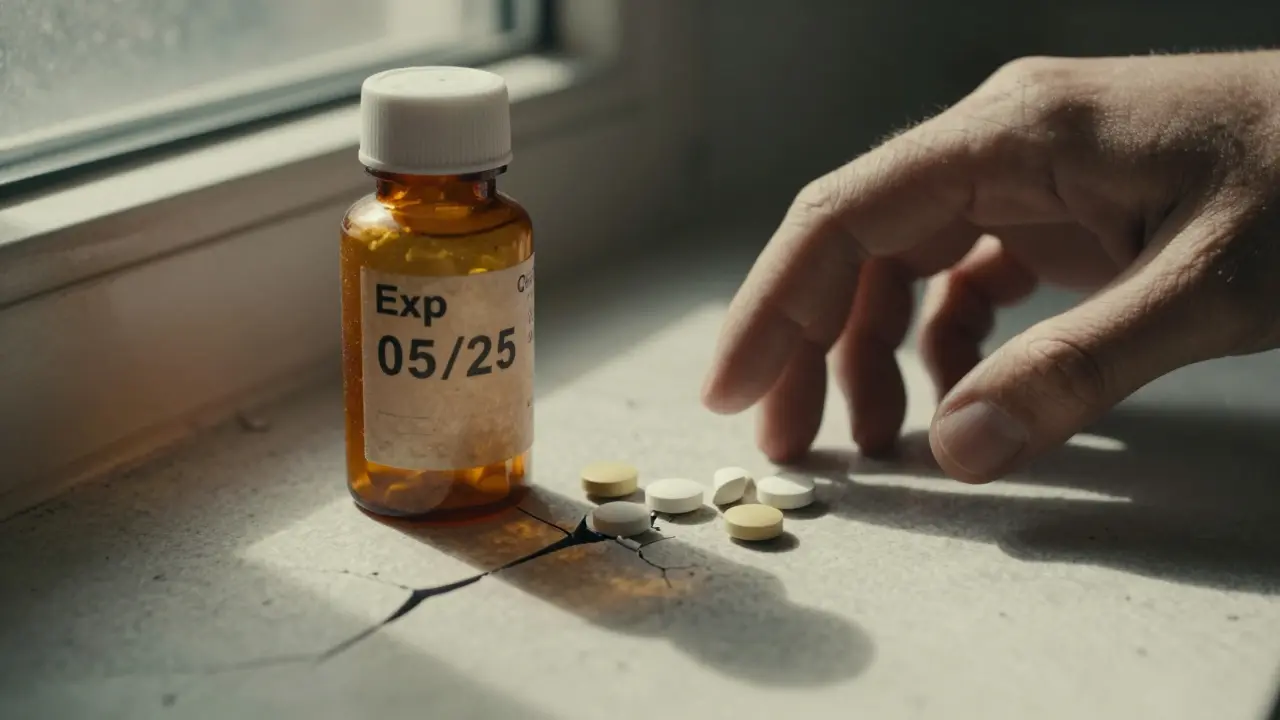
How to Read Expiration Dates on Medication Packaging Correctly
Learn how to read expiration dates on medication packaging, understand what they really mean, and know which drugs are unsafe to use after expiring. Avoid risks and ensure your meds still work.
16

Hormone Replacement Therapy: What You Need to Know About Benefits, Risks, and Monitoring
Hormone Replacement Therapy can effectively relieve menopause symptoms and protect bone health-but only if used correctly. Learn the real benefits, risks, and monitoring steps for safe, effective treatment.
15
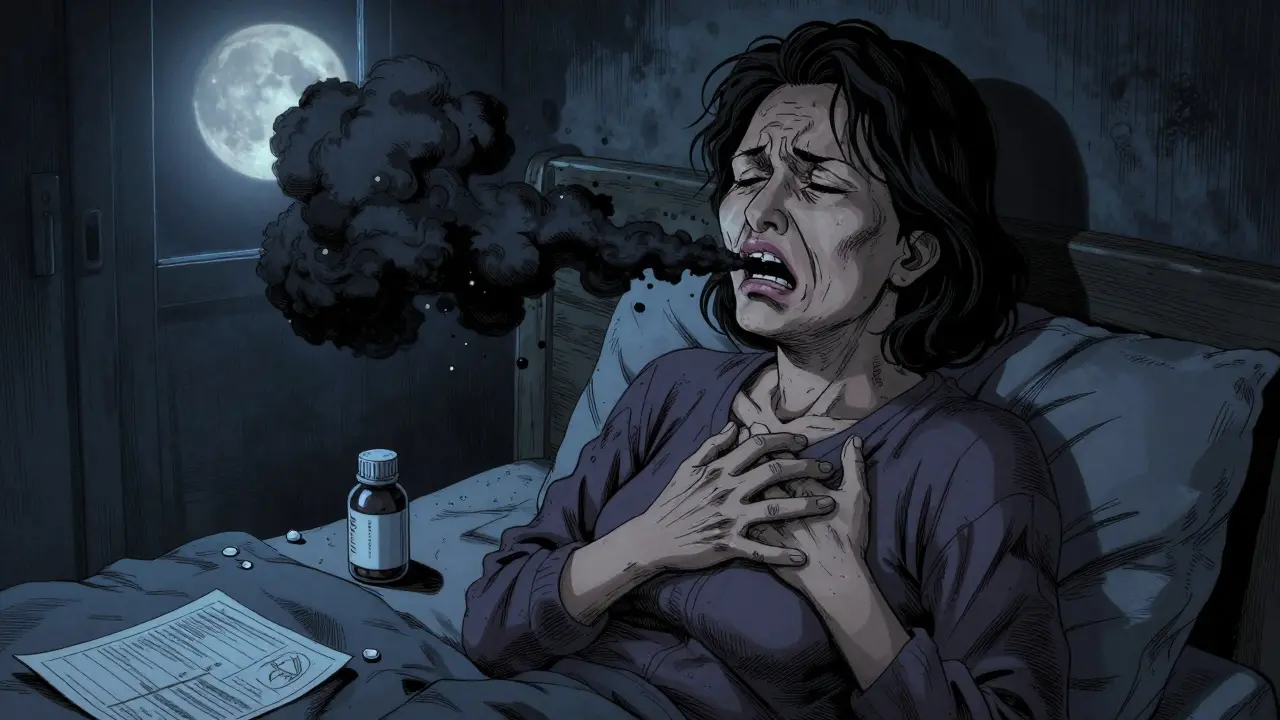
Aspirin-Exacerbated Respiratory Disease: How to Diagnose and Treat AERD with Desensitization
AERD (Samter's Triad) combines asthma, nasal polyps, and NSAID reactions. Learn how diagnosis works, why aspirin desensitization is the most effective long-term treatment, and what therapies actually work.
14
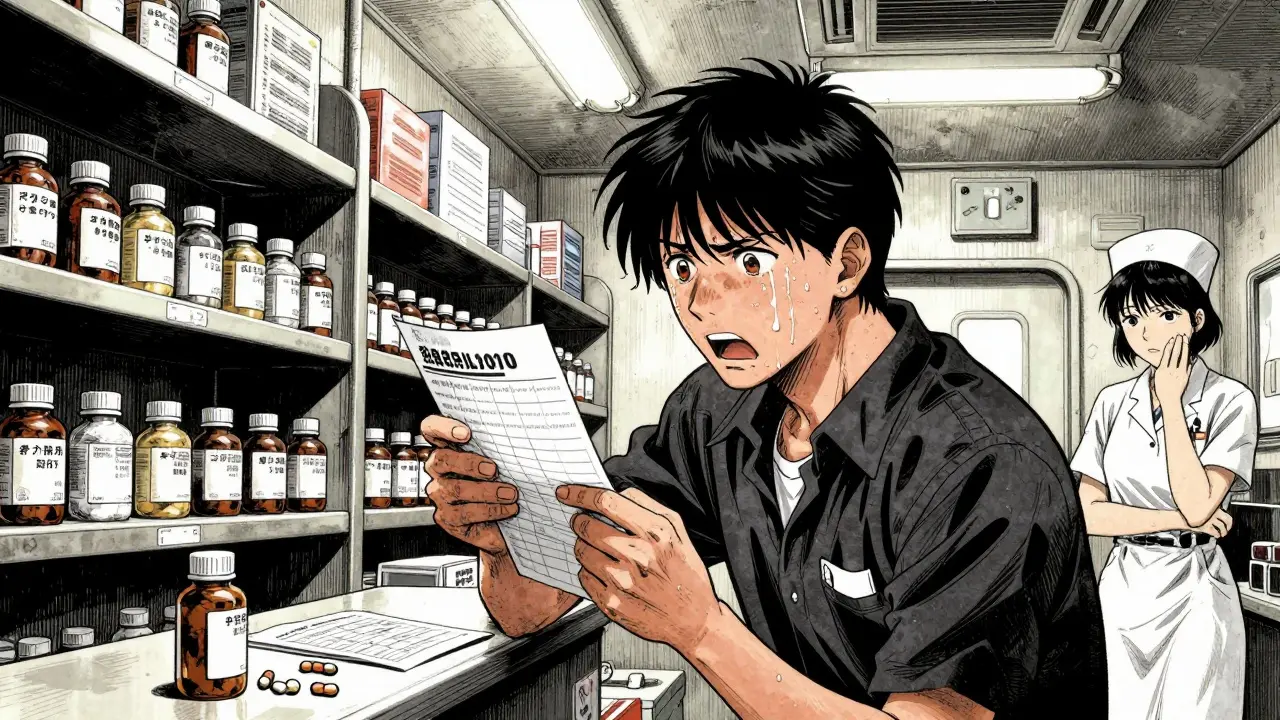
How to Navigate Cruise Ship Medical Centers for Prescriptions
Cruise ship medical centers can't refill most prescriptions. Learn how to pack the right meds, avoid costly onboard prices, and prevent emergencies with these essential tips for travel medications.
13
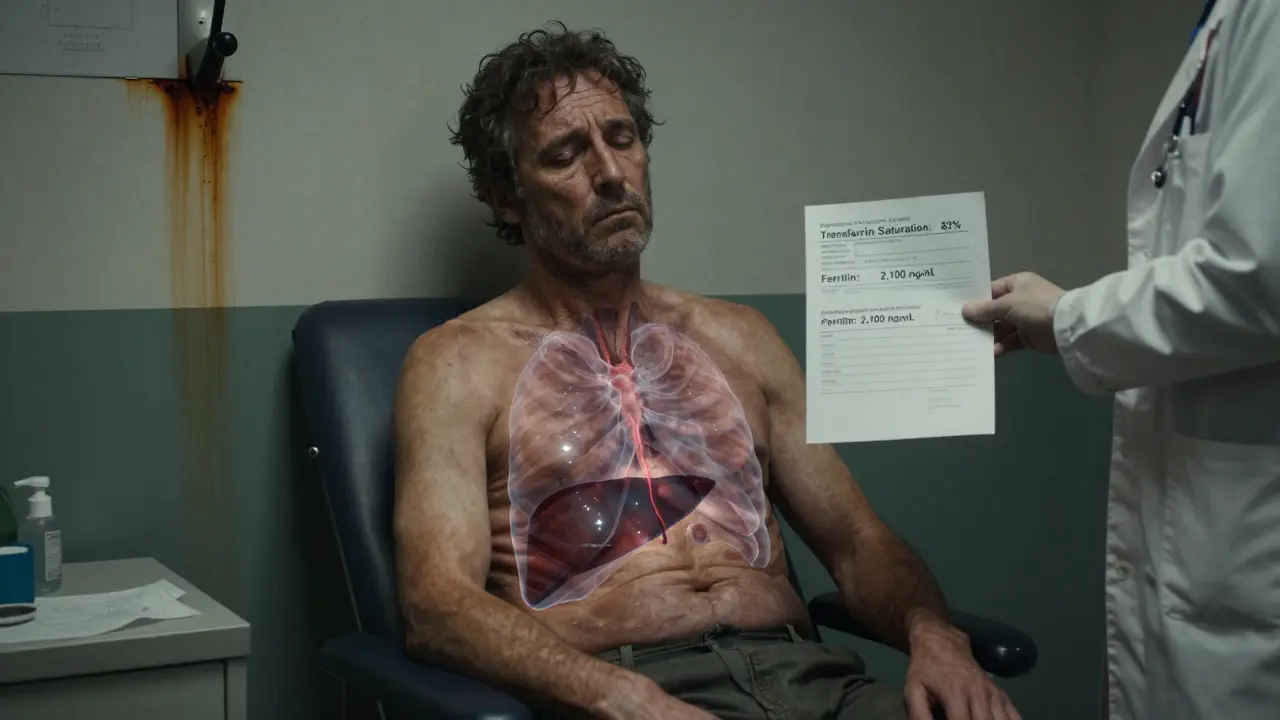
Hemochromatosis: Understanding Iron Overload and How Phlebotomy Saves Lives
Hemochromatosis is a genetic condition causing dangerous iron buildup in organs. Early diagnosis and regular phlebotomy can prevent liver failure, diabetes, and heart damage. Most cases go undiagnosed-simple blood tests can catch it before it's too late.
12

Appetite Changes from Medication: Why They Happen and How to Manage
Medications can cause sudden appetite changes - either increasing hunger or suppressing it. Learn why this happens, which drugs are most likely to cause weight gain or loss, and practical, science-backed ways to manage it without stopping your treatment.