Author: Lauren Williams
31

Neonatal Kernicterus Risk: Sulfonamides and Medication Safety
Learn about the dangers of sulfonamides and other medications for newborns. Understand how bilirubin displacement leads to kernicterus and explore safe drug alternatives.
30
Steroid-Induced Psychosis: Emergency Recognition and Management
Identify steroid-induced psychosis emergencies using early warning signs. Learn ER protocols, safe tapering techniques, and evidence-based medication management for rapid stabilization.
26

Medication Reminder Strategies: Apps, Alarms, and Organizers
Explore effective medication reminder strategies including apps, alarms, and organizers. Learn how to choose the right tool for your safety plan, compare costs, and avoid common pitfalls.
23

Dietary Supplements and Natural Products: Why Full Disclosure to Your Care Team Matters
Many people take dietary supplements without telling their doctors-but this silence can lead to dangerous interactions with medications. Learn why full disclosure is critical for your safety and how to talk to your care team about what you're really taking.
22

Pediatric Excipients: Hidden Dangers of Alcohol, Sorbitol, and Benzyl Alcohol in Children's Medicines
Alcohol, sorbitol, and benzyl alcohol in children's medicines can cause seizures, organ failure, and death - especially in newborns. Learn why these hidden ingredients are dangerous and what parents can do.
19

The Beers Criteria: Potentially Inappropriate Medications for Seniors
The Beers Criteria is a science-backed guide that helps doctors avoid dangerous medications for seniors. It lists drugs like Benadryl, benzodiazepines, and NSAIDs that increase risks of confusion, falls, and hospital stays in older adults.
16
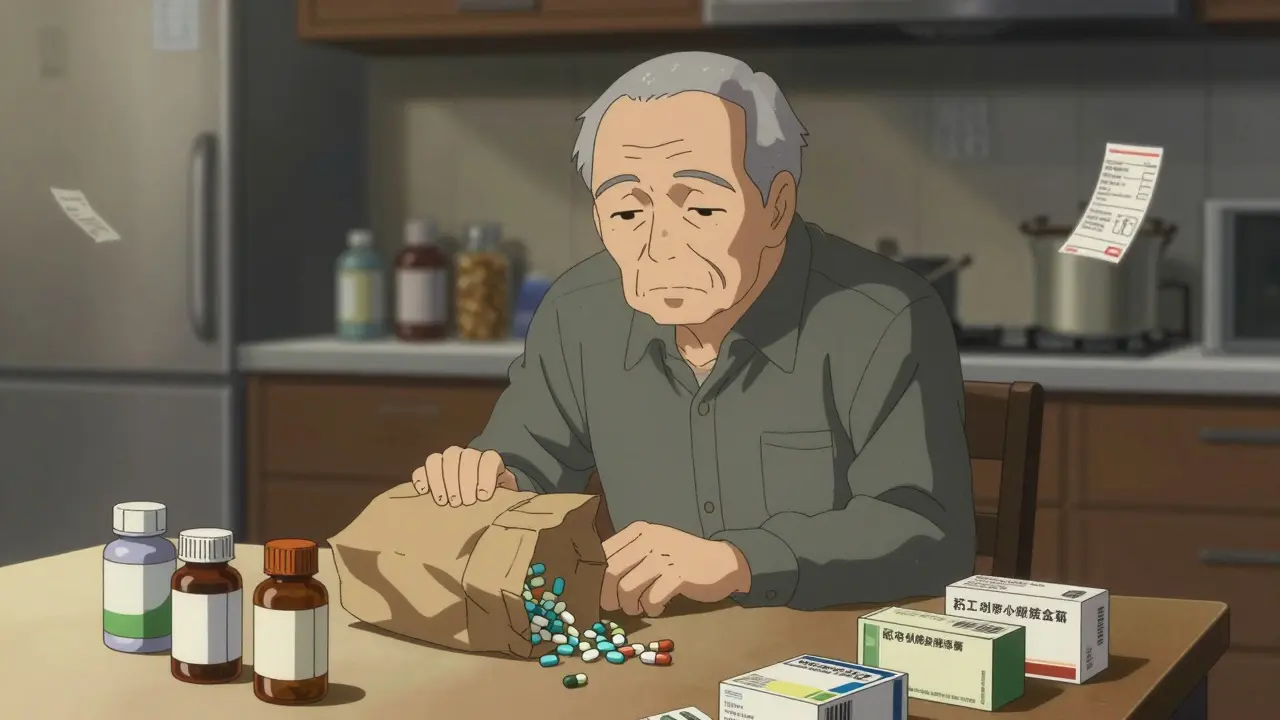
Polypharmacy in Elderly Patients: Managing Multiple Medications
Polypharmacy in seniors - taking five or more medications - increases fall risk, hospitalizations, and dementia. Learn how deprescribing, pharmacist reviews, and the brown bag method can safely reduce harmful drug loads in older adults.
12
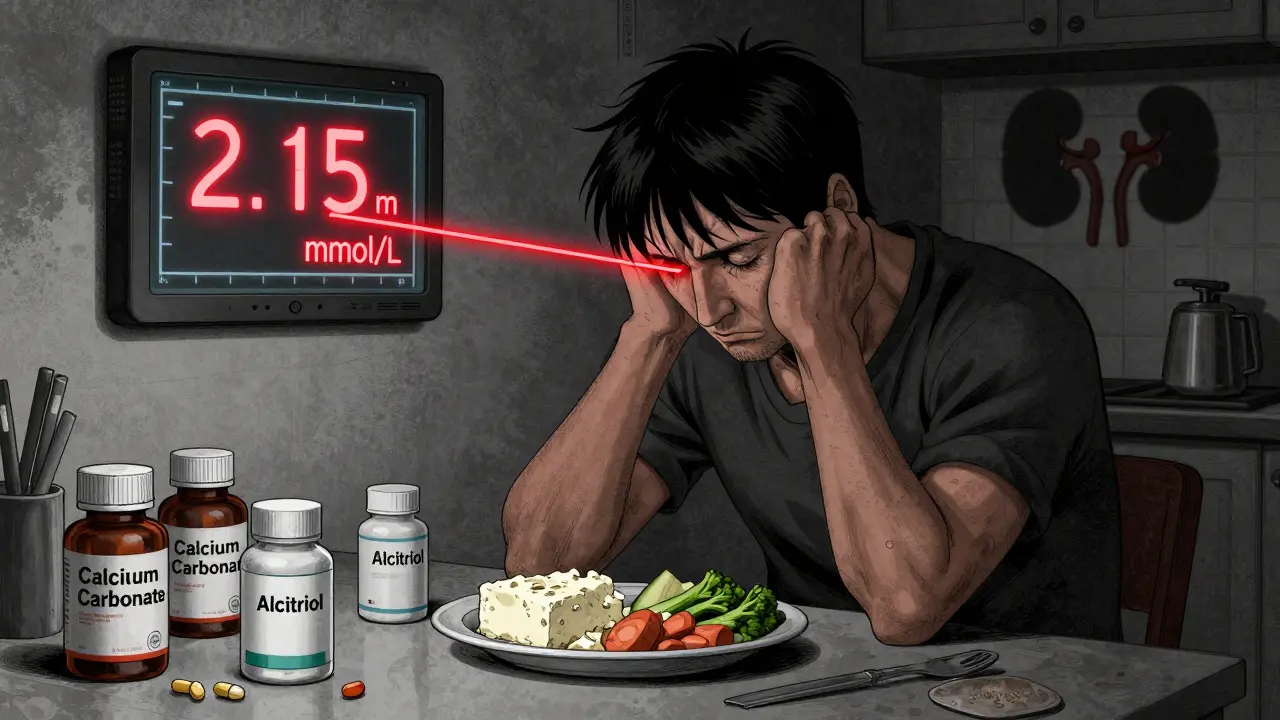
Hypoparathyroidism: Managing Low Calcium and Vitamin D Effectively
Hypoparathyroidism causes low calcium and high phosphate due to insufficient parathyroid hormone. Managing it requires precise calcium and active vitamin D dosing, magnesium support, and dietary changes to avoid kidney damage. Lifelong care is essential.
8
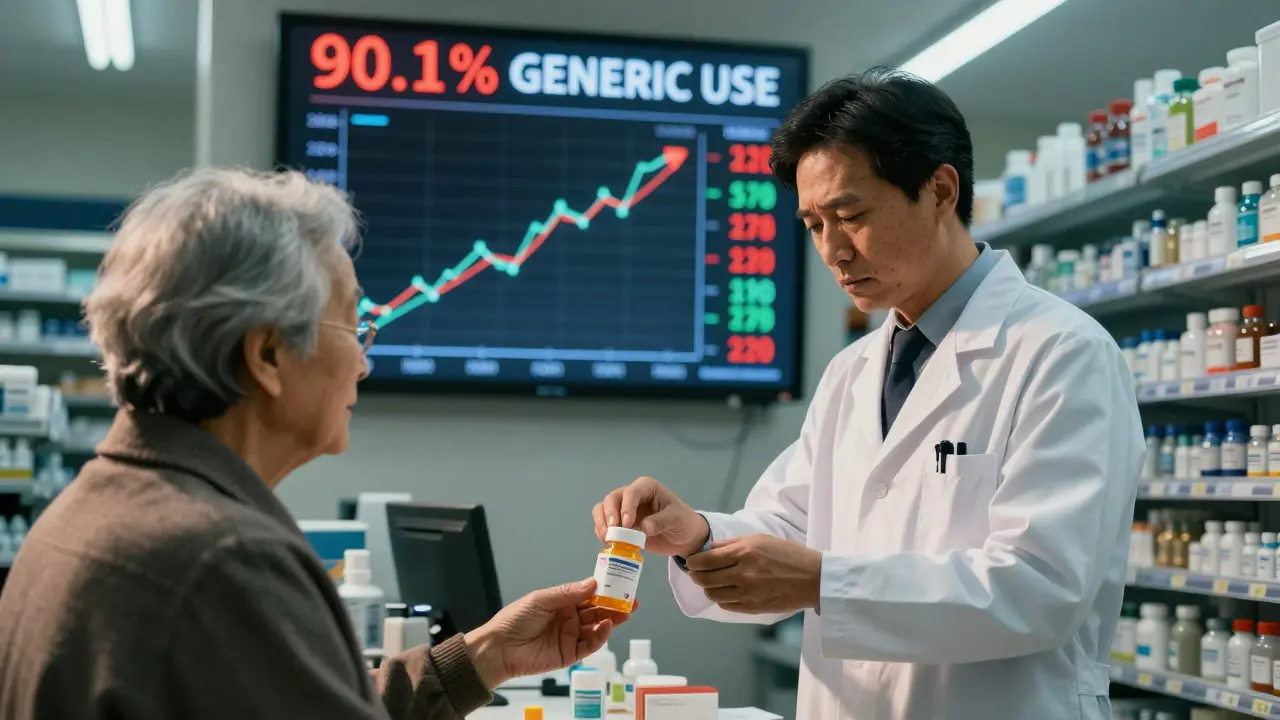
Global Perspectives on Generics: How Countries Are Cutting Drug Costs Without Sacrificing Quality
Countries worldwide use wildly different strategies to make generic drugs affordable. The U.S. leads in usage, China in price cuts, India in volume, and Europe in fragmentation. What works-and what’s breaking down?
5

Nonalcoholic Fatty Liver Disease: Risks and Prevention Strategies
MASLD (formerly NAFLD) is the most common chronic liver condition worldwide, affecting 25% of adults. Learn the real risks, who’s most at risk, and how simple lifestyle changes can reverse it before it turns into scarring or cirrhosis.
2

New Drug Approvals 2024-2025: What’s Approved and How Safe Are They?
In 2024-2025, the FDA approved 50 new drugs with novel mechanisms for Alzheimer’s, schizophrenia, anaphylaxis, and more. Learn what’s approved, how they work, and the real-world safety risks you need to know.
1

Chronic Opioid-Induced Nausea: Diet, Hydration, and Medication Options That Actually Work
Chronic opioid-induced nausea affects up to one in five long-term users. Learn evidence-based strategies for managing it through diet, hydration, medication rotation, and non-drug techniques-without giving up pain relief.